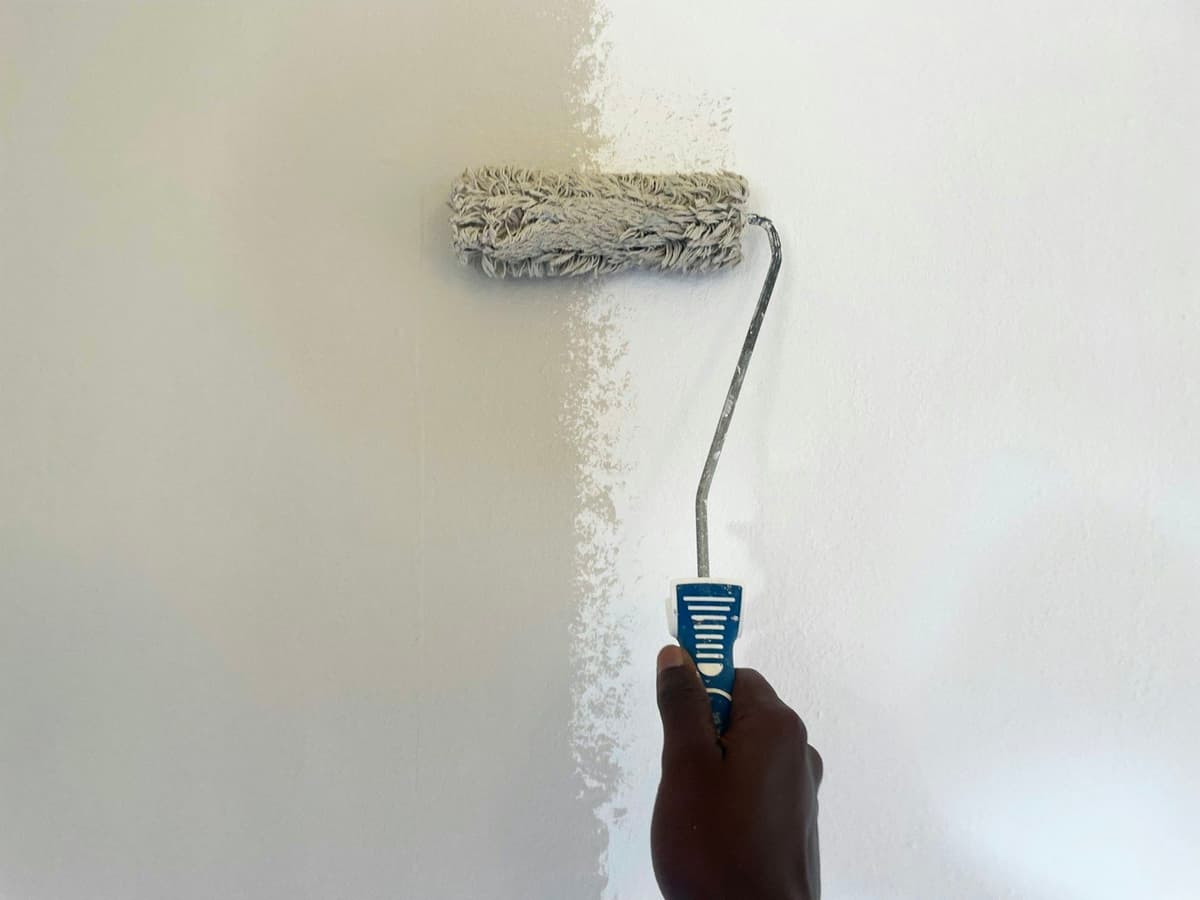
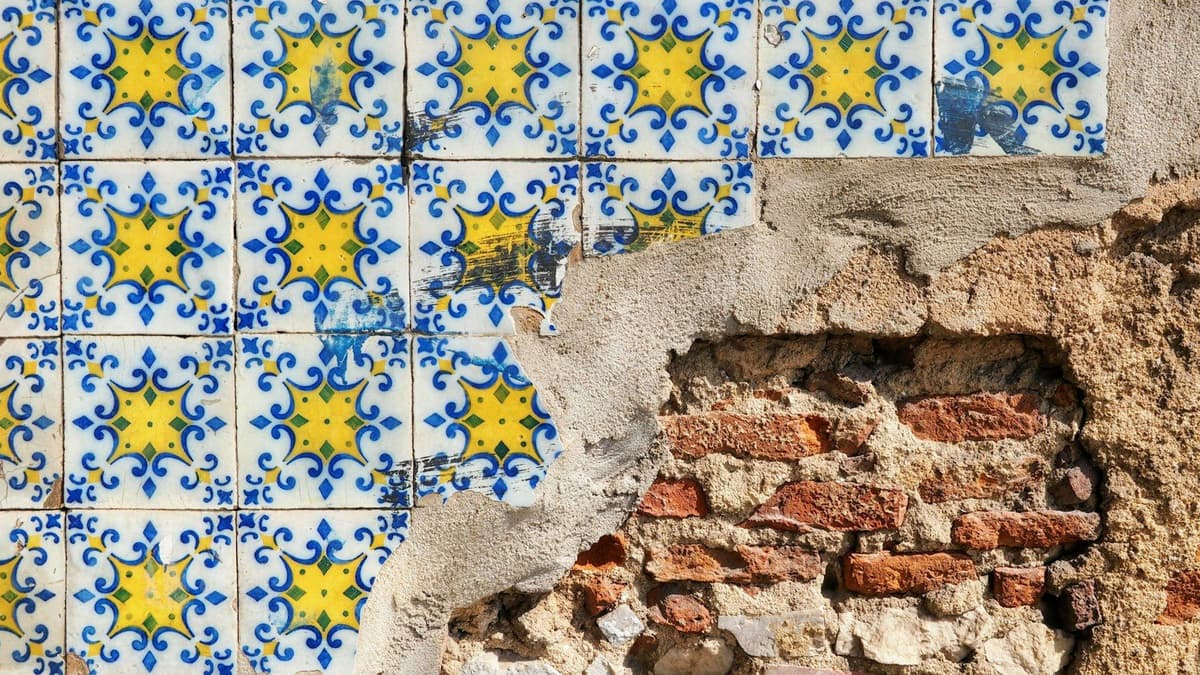
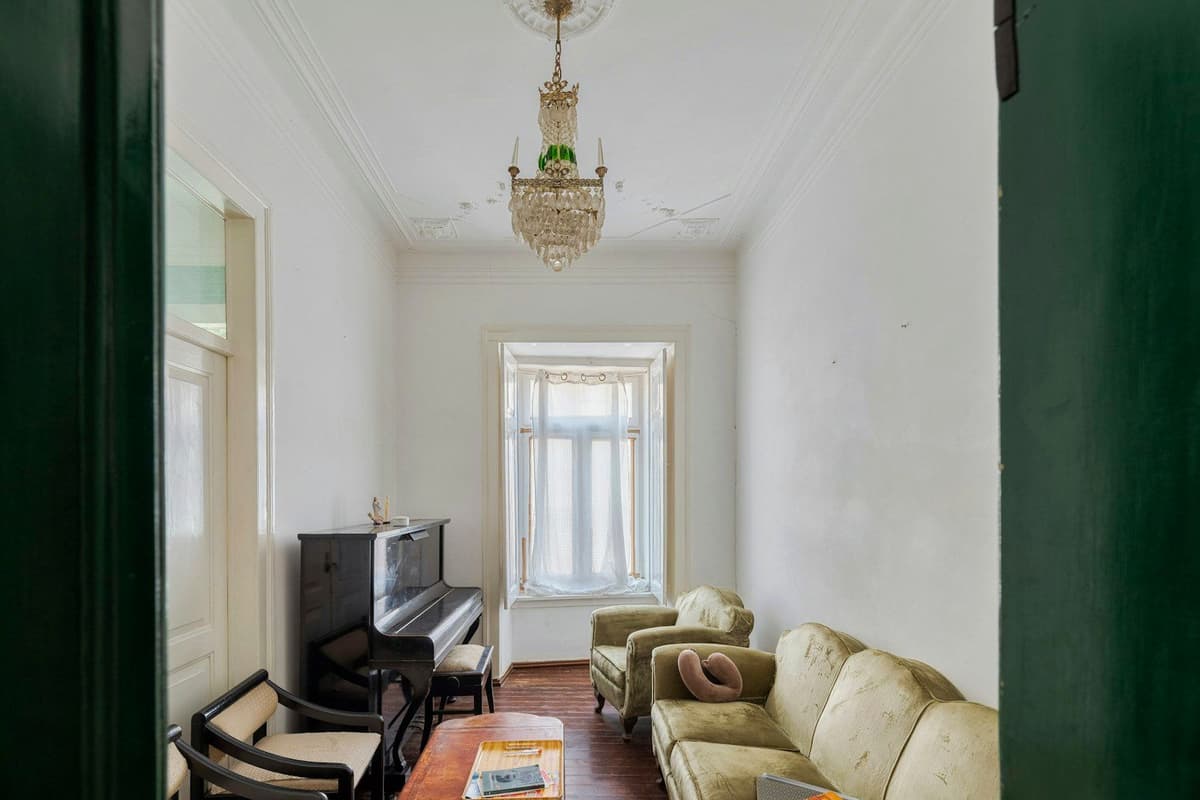
When requesting a painting quote in Portugal, it is common to feel that values do not make sense when compared to each other. Two similar houses, two very different quotes. This is no accident: the final price of a painting results from the sum of several factors that are rarely explained in detail, and this is precisely why it is worth understanding what weighs most in the final bill before comparing proposals.
Labour: the factor that most influences price
In 2026, labour costs have been the main driver of price increases in Portugal's construction sector, including painting work. There is no good news for those planning to build new homes in Portugal, whether families, developers or builders, with construction costs accelerating again, growing 7.5% year-on-year.1 Labour costs increased 8.0%, and labour expenses in the construction sector have been rising between 6.5% and 10% over the past three years due to a shortage of qualified professionals.
Why labour weighs so much
Labour usually represents the largest share of the total value of an interior painting job, more than the paint itself. This is explained by several factors:
- Surface preparation time (sanding, filling cracks, protecting floors and furniture)
- Number of coats needed depending on the colour and wall condition
- Access difficulty (high ceilings, stairs, multi-storey facades)
- Professional travel and availability in the area
Regional differences
Labour rates are not uniform across the country. In major urban centres such as Lisbon and Porto, higher demand and cost of living tend to push prices up, while in cities such as Braga, Coimbra or Viseu the rates tend to be more moderate. This regional variation has already been explored in detail in the article on exterior painting schedule by region2, but it is important to note that the climate of each area also influences the work schedule and, indirectly, professional availability.
Materials: paints, primers and consumables
Materials weigh less than labour in the total budget, but continue to rise in price. Construction costs in Portugal have also been under pressure from the materials side, notably in categories linked to finishes and glazing, which recorded sharp increases throughout 2026, according to INE data on the cost index for new residential construction.
What is included in materials
| Item | Typical budget weight |
|---|---|
| Paint (interior or exterior) | Varies by brand and quality |
| Primer and sealers | Needed on degraded or porous walls |
| Painter's tape, sandpaper, rollers | Single-use or limited-use consumables |
| Protections (plastic sheets, cardboard) | Small fraction, but adds up on large projects |
The choice between budget paint and a premium range can significantly alter the final value, especially on facades where resistance to sun and rain justifies the investment in the medium term. For those looking for more durable options with lower environmental impact, it is worth consulting the article on ecological paints in Portugal3.
Wall condition: the factor no one sees at first glance
One of the most common mistakes when estimating a painting job is assuming that two walls with the same area cost the same to paint. This is usually not the case.
Why area alone is not enough
A quote calculated solely by square metre is always indicative, never definitive, because two surfaces with the same area may be in very different conditions: one may have only an old coat of paint in good condition, while another may have cracks, damp or degraded plaster that requires extra work before any coat can be applied. The final price can only be confirmed after assessing the real condition of the surfaces, whether through photos and videos or an on-site visit, both of which work equivalently. This is why our platform always requests photos and videos of surfaces before finalising any quote, precisely to avoid surprises during the work.
Situations that increase the quote
- Damp or mould on interior walls, which requires treatment before painting (see painting walls with damp4)
- Cracks or loose plaster, which require wall scraping5 before painting
- Very porous walls or old peeling paint, which may need smoothing6 for a uniform finish
- High ceilings or difficult access, which increase work time
From proposal to closed quote: what to do in practice
After understanding the factors that influence price, the next step is knowing how to compare proposals fairly, without falling into the trap of comparing numbers alone.
- Always ask the professional to see the space, whether through photos and videos or an on-site visit, before finalising the quote.
- Confirm whether the quote includes materials or labour only, as this difference alone can change the price by several tens of per cent.
- Check if there are costs associated with preparation (sanding, filling, sealing) or if these works are excluded from the initial proposal.
- Keep the agreed scope in writing. On our platform, all job details are recorded online, visible to the customer, the professional and the platform, which prevents misunderstandings about what was or was not included.
- Confirm that the professional is properly registered as self-employed or has an incorporated company. Our platform verifies this before presenting any professional as an option.
Regarding payment, the most transparent model usually works in two stages: 50% at the start, to reserve the date and purchase materials, and the remaining 50% at the end, after the work has been verified. This arrangement avoids excessive advance payments and protects both parties throughout the work.
Frequently Asked Questions
Labour is usually the factor that weighs most in the final quote, more than the cost of paints. The time spent preparing walls, the number of coats needed and the difficulty of accessing the space directly influence how much time the professional needs to dedicate to the work.
It serves as a starting point, but it is not definitive. The real value only becomes clear after the professional assesses the condition of the surfaces, whether through photos and videos or an on-site visit.
Yes, careful painting helps to enhance the property in photographs and viewings, and conveys a sense of maintenance to potential buyers or tenants. The investment usually pays off, especially on walls with visible signs of wear.
The usual model is split into two parts: 50% at the start, to reserve the date and purchase materials, and 50% at the end, after the work has been verified. This ensures the customer does not pay everything upfront without guarantees.
Not necessarily. A quote can be prepared based on photos and videos of the space, which work the same way as an on-site visit. What matters is that the professional has seen the real condition of the surfaces before finalising the price.
Ready to paint?
Get free quotes from verified local painters in minutes. No commitment.
Sources
External sources open in a new tab.
- Construir casas novas: custo acelera em agosto devido à guerra — idealista/newsidealista.pt
- Clima e pintura exterior: cada região de Portugal tem o seu calendáriopinturasportugal.pt
- Tintas ecológicas em Portugal: onde encontrar e o que verificarpinturasportugal.pt
- Pintar paredes com humidade: quando é seguro e quando é cedo demaispinturasportugal.pt
- Barramento de Paredespinturasportugal.pt
- Alisamento de Paredespinturasportugal.pt