When the dark stain finally appears on a wall, the problem is far from new. Usually weeks, sometimes months, of damp have accumulated silently before any visible sign emerges. With forecasts pointing to a damper than usual late autumn across much of the country, it's worth learning to read the more subtle signals your home sends before it needs serious intervention.
Why Portugal struggles so much with damp
An old housing stock with poor insulation
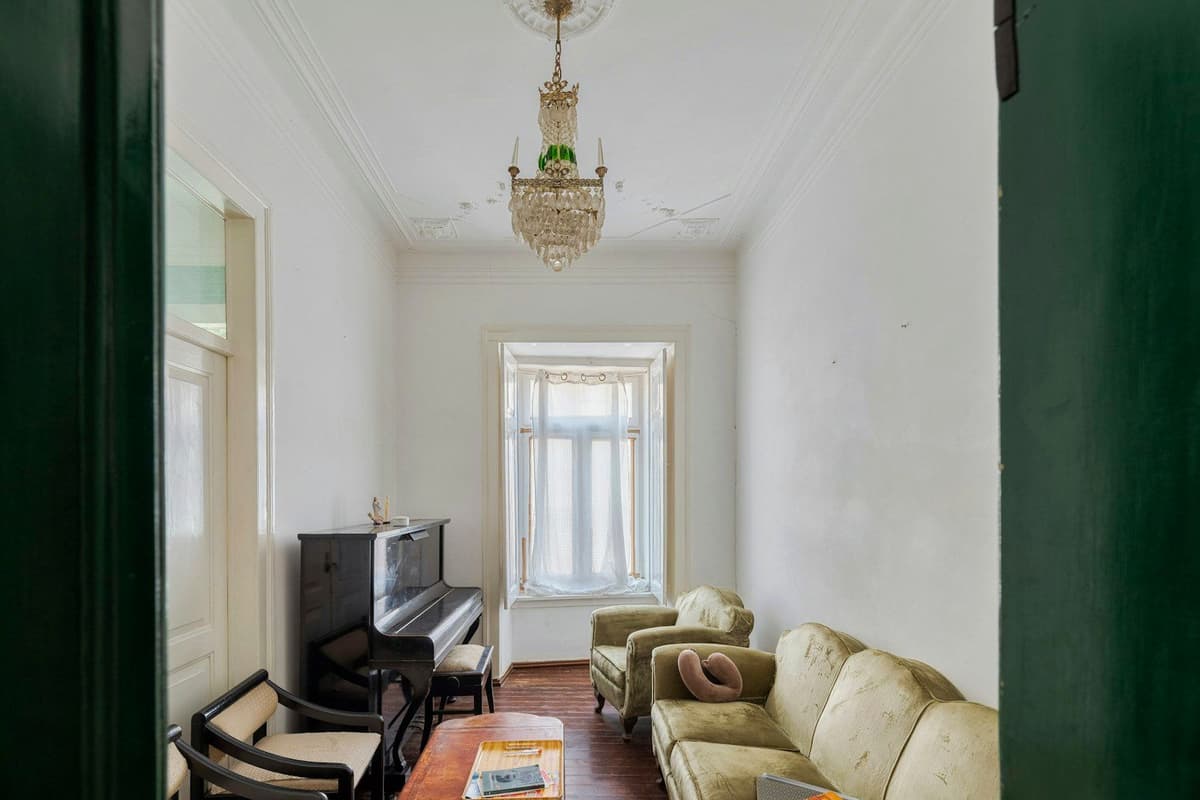
Portugal is not just a country with irregular rainfall; it's also a country with old houses. Much of the problem stems from an outdated building stock: around 70% of the country's buildings were constructed before 1990, when the first thermal regulation came into force.1 This means walls with little or no thermal insulation, old windows, and infiltration that worsens year after year without anyone noticing in time.
The numbers confirm what we see on the walls
It's not just an impression. In 2023, Portugal was the second country in the European Union with the most people living in homes with leaks and damp, according to Eurostat data. The problem doesn't resolve itself over time: it's not limited to old buildings, as failures in more recent constructions, lack of maintenance, and energy poverty also contribute to damp.
The approaching autumn won't help
Recent seasonal forecasts bring no good news for those already battling damp walls. It is in the last two months of the year that the shift becomes more widespread: according to IPMA, the positive precipitation anomaly is expected to extend from the North region to the Centre, increasing to values between 5 and 20 millimetres above normal in November and December.2 In the regions of Lisbon, Porto, and Braga, where autumn already naturally brings more rain, this excess can accelerate problems that would normally only appear in the depths of winter.
The signs most people ignore
Long before a visible black stain appears, there are more discreet clues that usually go unnoticed.
Smell before the stain
Mold smell is often the first warning, and it appears before any visual sign. Wardrobes against external walls, closed drawers, or poorly ventilated cupboards are the first places where this smell takes hold, even if the wall seems perfectly dry on the surface.
Windows that fog up regularly
If window panes become constantly fogged in the morning, this is not normal; it's a sign of excess water vapor inside the home that, sooner or later, will also condense on the coldest walls.
Paint that loses adhesion for no apparent reason
A wall that starts to crumble, blister slightly, or lose its shine in isolated areas is indicating that something is happening behind the surface, even before any dark stain appears.
Small cracks that "have always been there"
Fine cracks in external render, near window frames or parapets, are often ignored for years. These are exactly the points that, with November's rain, turn into infiltration hotspots.
How to identify the type of problem before acting
Not all damp signs require the same solution. Understanding the source prevents wasting money treating the wrong symptom.
| Sign observed | Most likely cause | First recommended action |
|---|---|---|
| Mold smell in wardrobes against external walls | Condensation from lack of ventilation | Move furniture away from wall and air for 10-15 minutes daily |
| Fogged window panes every morning | Excess water vapor indoors | Ventilate after showers and while cooking |
| Stain that grows after days of rain | Infiltration from crack or degraded roof | Inspect façade and roof |
| Damp band at wall base with visible salt | Rising damp from ground | Professional wall assessment |
| Paint peeling in isolated areas without visible stain | Degraded render or old internal damp | Scrape and check the condition underneath |
This distinction is essential because, as already explained in another article about walls that won't accept paint3, painting over an unresolved cause is money wasted in the short term.
What to do before the problem worsens
Some simple measures, applied now, prevent a discreet sign from turning into a mold stain in the depths of winter:
- Move large furniture away from external walls. Even a gap of a few centimetres allows air to circulate and reduces condensation at the coldest points in the house.
- Ventilate every day, even in the cold. Ten to fifteen minutes of air circulating makes more difference than keeping windows closed to save heat.
- Inspect the façade before the heavier rains of November. Cracks, window seals and areas near balconies are the most vulnerable points.
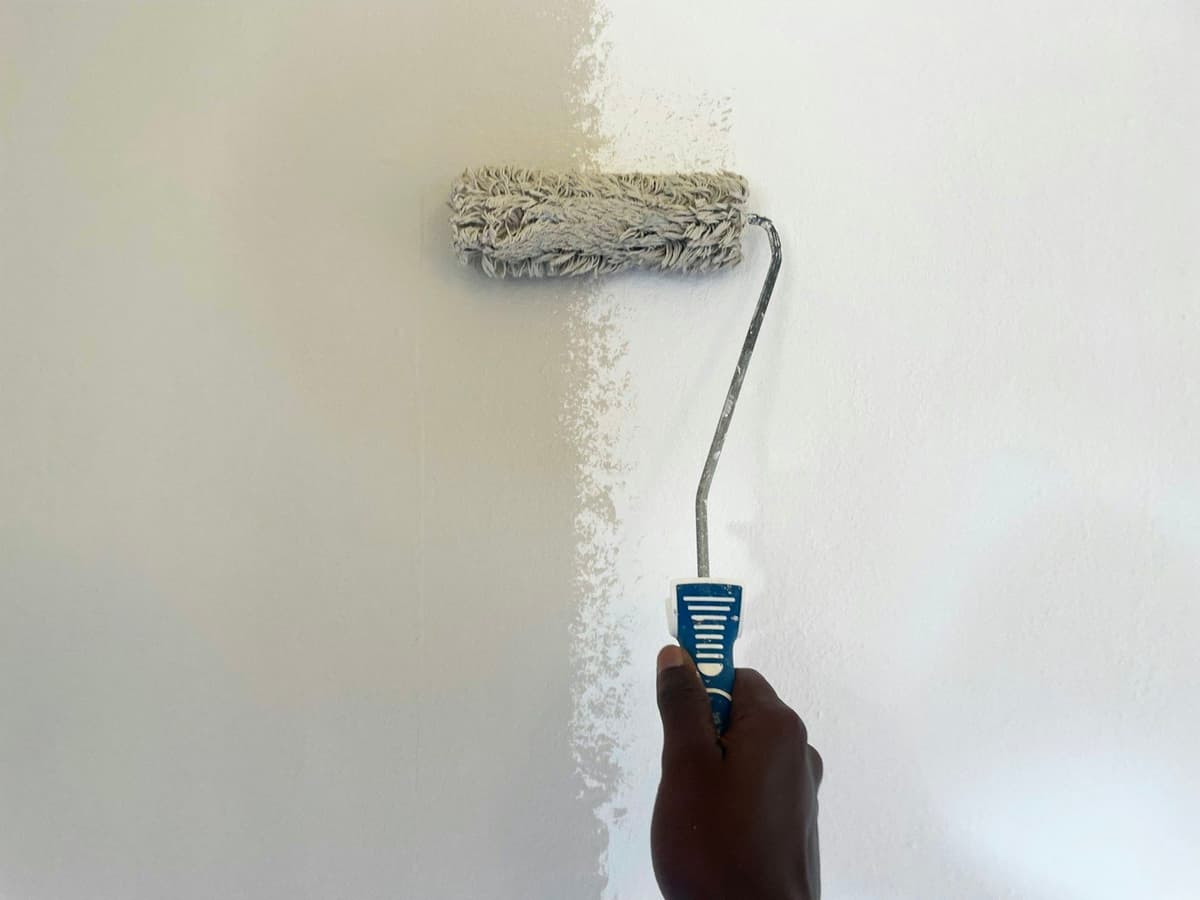
- Don't cover the symptom with fresh paint without understanding the cause. A new coat over a still-damp wall only delays the problem by a few weeks.
When the assessment needs a professional eye, it makes no difference whether it's done through photos and videos or a site visit, both methods allow you to understand the real source of the problem. On our platform, we always request photos and videos of the surfaces before closing any quote, precisely to avoid surprises mid-work. For areas affected more persistently, it may also be worth using a service specialised in damp removal4 before any interior painting.
Frequently Asked Questions
Yes. The smell usually appears before any visual sign, because it indicates there's already moisture accumulation in a poorly ventilated space. It's worth investigating the cause rather than waiting for a stain to appear.
A little occasional condensation is common, but if it happens every day it's a sign of excess water vapor inside the home. This increases the risk of moisture spreading from the windows to nearby walls.
It's not recommended without first understanding the source. If the cause isn't treated, the new paint will only disguise the problem for a short time before the stain reappears.
When the value is calculated per square metre, it's always an initial estimate, because two walls with the same area can have very different internal conditions. The final value is only fixed after the professional assesses the real condition of the surface, either through photos and videos or during a site visit.
Yes. Small cracks near windows, parapets or seal areas are frequently the entry point for water that later appears as a stain inside, especially after periods of heavy rain.

Ready to paint?
Get free quotes from verified local painters in minutes. No commitment.
Sources
External sources open in a new tab.
- Por que é que as nossas casas são tão húmidas? E qual o real custo da humidade?amensagem.pt
- Chuva pode regressar em força a Portugal neste período: mau tempo a caminho - Postalpostal.pt
- Quando a humidade impede a pintura: o que fazer antespinturasportugal.pt
- Remoção de Humidadepinturasportugal.pt