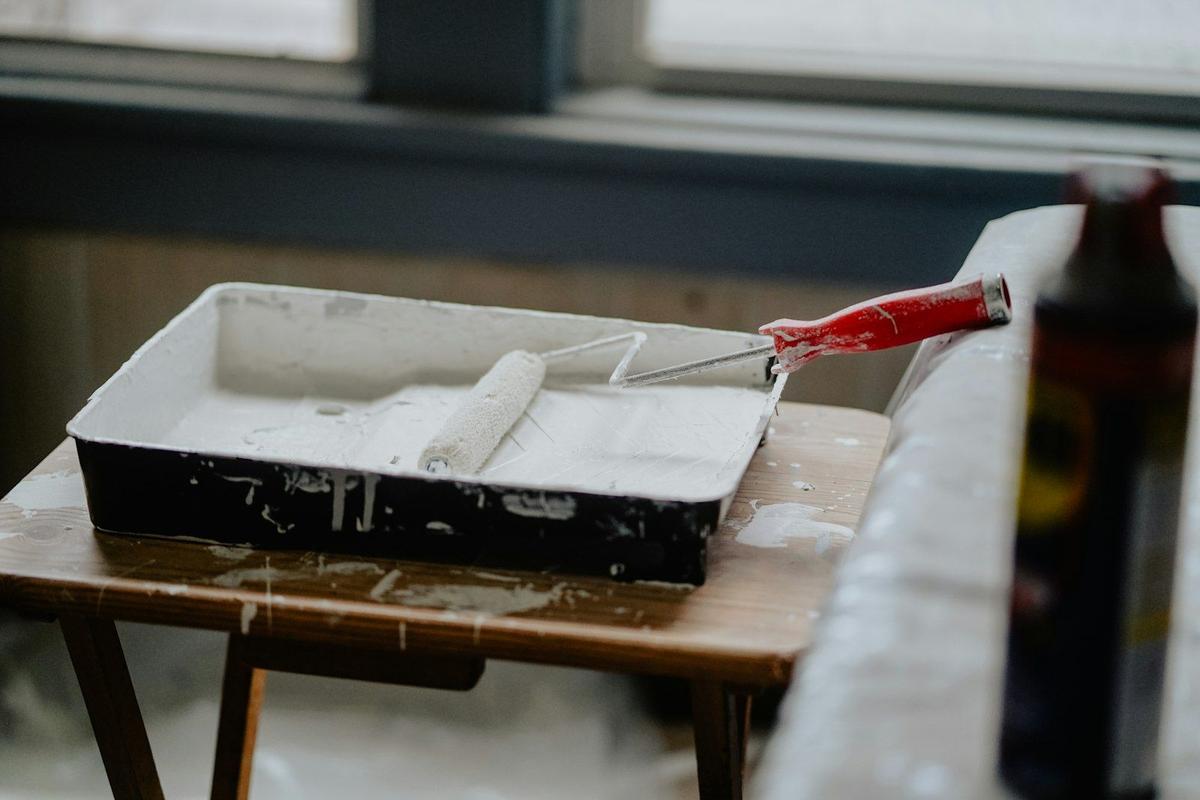
As autumn gives way to winter, the facades of Portuguese homes enter the most demanding period of the year. The combination of persistent rain, humidity and, in some regions, morning frosts tests any exterior surface that already shows signs of weakness. Recent seasonal forecasts point to a winter likely to be rainier than average in several regions of the North and Centre of the country, which means a facade with cracks or degraded render has even more opportunities to absorb water over the coming months. Before the rains set in, it is worth dedicating a day to inspecting the outside of the house.
Why pre-winter is the right time to look at the facade
What changes when rain becomes more frequent
During summer, small cracks or areas of duller paint go unnoticed. With the arrival of autumn and winter, rainwater finds these weak points repeatedly, especially in regions where above-average precipitation is expected over the coming months. In areas of the North and Centre coast, this combination of frequent rain with persistent humidity accelerates any problems that already existed on the facade.
Different regions, different challenges
Not all Portuguese facades face the same type of wear. In a house in Braga or Porto, Atlantic humidity and frequent rains demand extra attention to fungi and mould. By contrast, in the Algarve or on the Alentejo coast, the challenge is different: sea spray deposits salt on surfaces, which retains moisture, promotes cracks and degrades pigments faster than would happen inland. Understanding the exposure of the facade (north, south, coastal or inland) helps to determine what type of wear is most likely over the coming months.
What to inspect before the rains arrive
Signs on the wall surface
A simple visual inspection, carried out calmly around the house, usually reveals most problems before they worsen. It is advisable to look for:
- Fine or wider cracks, especially near windows, corners and areas where different materials meet
- Dark or greenish stains, usually associated with moss, algae or lichen in shaded and humid areas
- Paint peeling or blistering, a sign that adhesion is already compromised
- Efflorescence (white salty stains) indicating moisture rising up the wall
- Areas where the render seems "hollow" when tapped with the knuckles
Gutters, drainpipes and seals
Most moisture problems on facades do not come from direct rain, but from poorly drained water. Gutters clogged with leaves overflow and run down the wall, creating vertical stains that worsen with each downpour. It is also worth checking the seals around windows, windowsills and balconies, points where water tends to infiltrate more easily when the sealant is already degraded.
Areas specific to orientation
North-facing facades, darker and more humid, accumulate moss and algae more frequently and usually need more regular cleaning than south-facing facades. This difference in exposure is also one of the factors that influences the most suitable time for repainting, a topic covered in detail in the article on [how exposure changes the time to paint](https://pinturasportugal.pt/pt/blog/exposicao-fachada-norte-sul-epoca-pintar-exterior).
Small repairs that prevent bigger problems
Not everything found in an inspection requires complete repainting. Often, small corrections made in time prevent the problem from spreading during winter:
- Clean gutters and drainpipes before the first heavy rains, to ensure water drains properly
- Seal fine cracks with appropriate filler, preventing water entry during the wettest months
- Remove moss and algae from shaded areas with a specific product, before colonisation spreads
- Check seals around exterior windows and doors
When the signs are more serious (wide cracks, render flaking or persistent damp stains), the solution is no longer a simple touch-up and wall intervention may be necessary before any new paint layer, a topic covered in detail in the article on [moisture diagnosis before painting](https://pinturasportugal.pt/pt/blog/humidade-bolor-diagnostico-antes-de-pintar).
Comparing the impact of main problems
| Sign observed | Likely cause | Urgency before winter |
|---|---|---|
| Moss or algae in shaded areas | Persistent moisture, low sun exposure | Moderate, clean before heavy rain intensifies |
| Fine cracks near windows | Natural movement of render, age of facade | High, seal before rains |
| Paint peeling in patches | Active infiltration or lost adhesion | High, assess before repair |
| White salty stains (efflorescence) | Rising or capillary moisture | High, requires technical diagnosis |
| Clogged gutters | Accumulation of leaves and debris | High, resolve before rainy season |
Plan the intervention in advance
If inspection reveals that the facade really does need painting and not just small repairs, the most practical approach is to request a quote before winter sets in completely, so that work can be scheduled as soon as good weather appears. A quote calculated per m² is always indicative, because two facades with the same area can be in very different conditions (cracks, degraded render, moisture). The final price can only be confirmed after assessing the real condition of the surface, which can be done using photographs and videos or through a site visit, with both options being equally valid. On our platform, this assessment via photos and videos is always requested before closing any quote, precisely to avoid surprises during the work. Once the professional has seen the space, whether through photos and videos or a visit, the scope of the work is recorded online, visible to the client, the professional and the platform.
Frequently Asked Questions
In theory yes, but conditions must be favourable: no rain forecast for the following days, mild temperature and low relative humidity. Since these conditions are rarer in winter, most professionals prefer to concentrate urgent repairs at this time and leave complete painting for a more stable window of time.
It depends on orientation and location. Facades facing north or in very humid areas may need cleaning every few years, while facades facing south and more exposed to sun can last longer without intervention.
Very fine, capillary-type cracks tend to be just cosmetic and easy to seal. Wider cracks, especially if accompanied by render flaking or damp stains inside the house, deserve more careful assessment before winter.
Yes, always. Accumulated dirt, moss or mould prevent proper adhesion of new paint, so cleaning is always the first step before any exterior painting, regardless of the time of year.
In that case, painting over it does not solve the problem and can even make it worse in the medium term. It is necessary to identify the source of the moisture (capillary, point infiltration or condensation) before deciding what treatment is appropriate for the wall.

Ready to paint?
Get free quotes from verified local painters in minutes. No commitment.