This means that two paints can bear the same seal and still differ by a factor of 10 in declared VOC content.
The role of certifications
The European Ecolabel continues to be the most reliable reference on the national market. To obtain certification, paints must meet demanding technical and environmental criteria: strict limitation of VOCs, restriction of hazardous substances and life cycle assessment, from production to product use. Nevertheless, it is important not to confuse "water-based" with "eco-friendly": a paint is not ecological simply because it is water-based, and to be truly sustainable it must also avoid pigments based on heavy metals, synthetic fungicides and petroleum derivatives.
Mineral paints, a special case
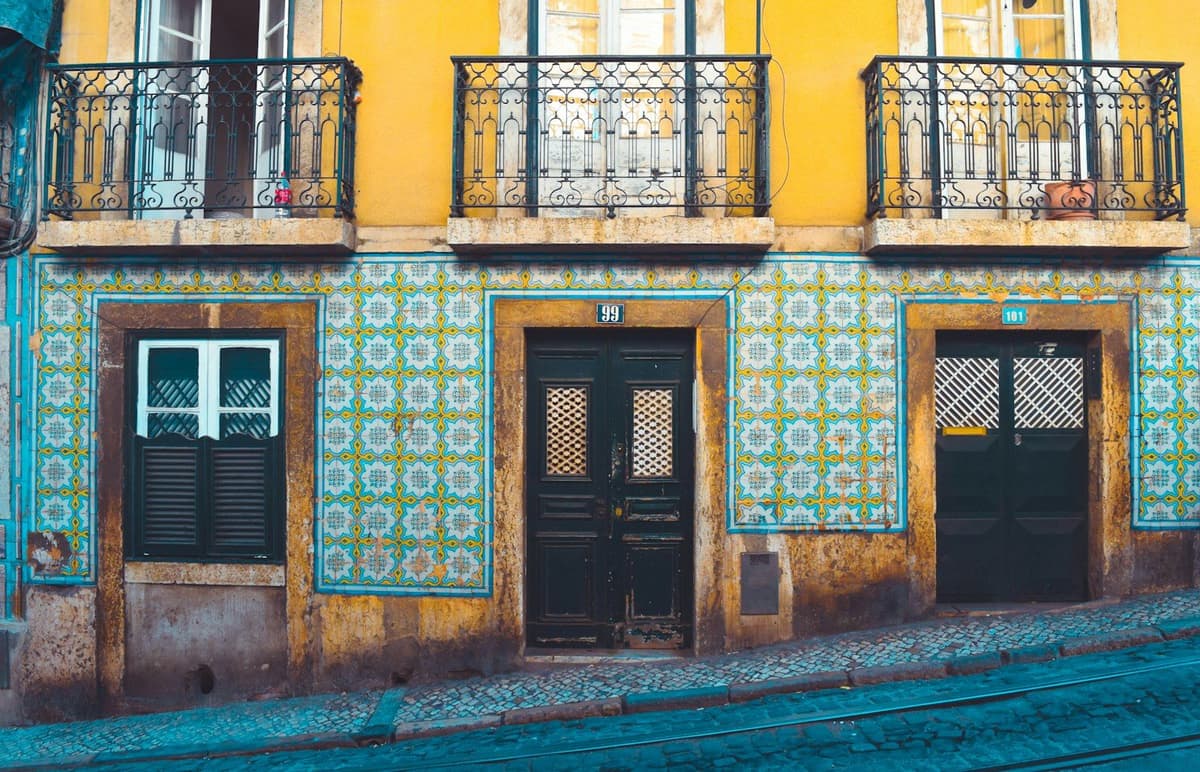
Silicate or lime-based paints belong to a different family from ecological plastic paints and are particularly relevant in Portugal, where there is much older building stock. Mineral paints, such as silicate or lime-based, allow moisture evaporation, have naturally antifungal properties and are indicated for old walls or those with recurring humidity problems, contributing to a healthier indoor environment. To better understand this family of products, the article on mineral eco-friendly paints for old walls details the cases where they are worth choosing.
Which eco-friendly paint for each room
Children's bedrooms and rest areas
These are spaces where low VOC matters most, because the time spent there and exposure are greater. Paints with high emission ratings and very low VOC values are the most prudent choice, especially in bedrooms occupied soon after painting.
Kitchens and bathrooms
Here the challenge is not just VOC, it is humidity and the need for washability. It is worth looking for eco-friendly paints with good resistance to cleaning and, in areas with frequent condensation, consider mineral finishes that help regulate humidity rather than retain it.
Old walls with lime render
In buildings in Lisbon, Porto or Coimbra with traditional render, the priority changes. Conventional plastic paints tend to retain moisture, while mineral paints let the wall "breathe". For those considering this type of intervention, the service of humidity removal can be an important preliminary step before any painting.
| Type of eco-friendly paint | Best use | Point of attention |
|---|---|---|
| Low VOC water-based | Bedrooms, living rooms, occupied areas | Confirm exact VOC value on technical sheet |
| With EU Ecolabel | Whole house, families with children or allergies | Check if the seal is genuinely official |
| Mineral (silicate or lime) | Old walls, facades, humid areas | Requires compatible support (lime, not cement) |
| Washable eco-friendly | Kitchens and bathrooms | Not all eco-friendly paints are equally washable |
Practical considerations when choosing
Some simple rules help avoid wrong choices:
- Always read the technical sheet and not just the word "eco" on the packaging;
- Confirm that the support (lime, cement, plaster) is compatible with the type of paint chosen;
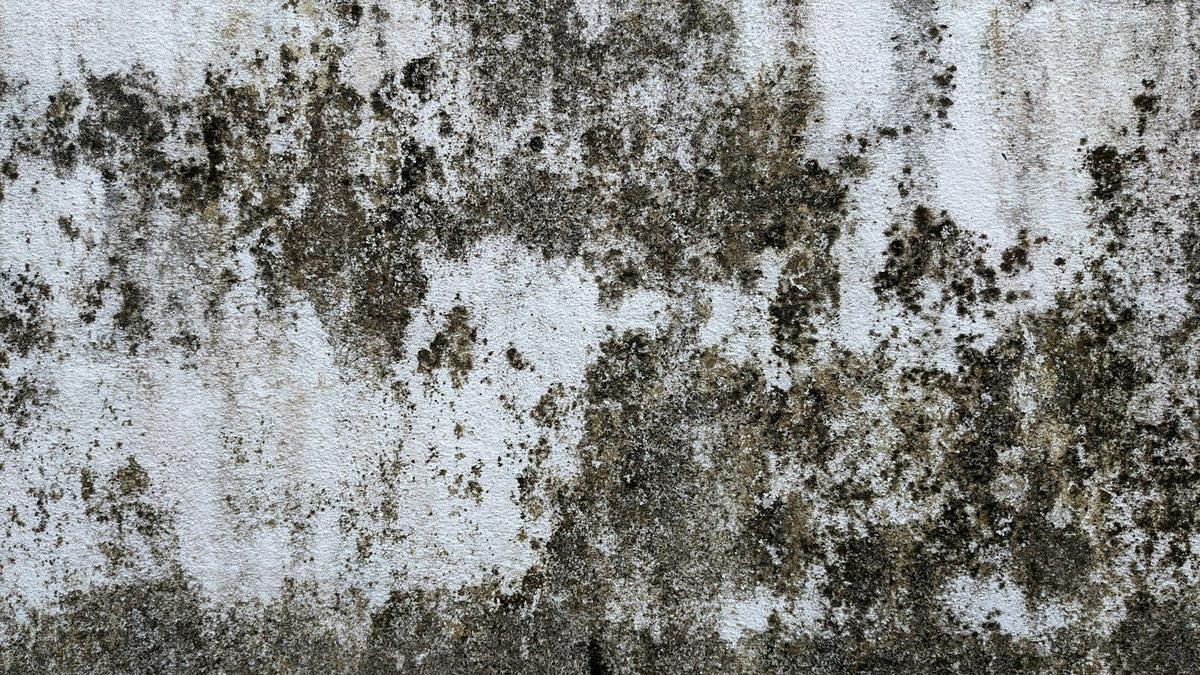
- In areas with a history of mould, treat the cause first before painting, as already explained in the article on humidity diagnosis before painting;
- Always ask for samples or safety sheets when there are family members with respiratory sensitivities.
When the budget is calculated per square metre, it is worth remembering that this value is always indicative: two walls with the same area may be in very different conditions, with cracks, humidity or degraded render that can only be assessed when evaluating the actual surface. The final price can only be confirmed after this assessment, carried out through photographs and videos or a site visit, both of which work in the same way. This is also why our platform always requests photographs and videos of the surfaces before closing any quote, precisely to avoid surprises during the work.
Next practical step before buying paint
Before ordering cans of eco-friendly paint, it is worth doing a small survey divided by space:
- List each room and the main problem (humidity, wear, allergies, aesthetics);
- Check the type of support existing on each wall (lime, cement, plasterboard);
- Confirm with the professional which eco-friendly paint suits each situation, rather than choosing a single paint for the whole house;
- Keep the technical sheets and certifications for future reference, especially in rehabilitation works.
When the work involves more than a simple refresh coat, such as wall smoothing before final painting, this planning phase avoids rework and material waste.
Frequently Asked Questions
Not always. Some eco-friendly ranges have a price equivalent to mid-range conventional paints, especially with brands already established on the Portuguese market. The price difference tends to be greater in specialized mineral paints, such as pure silicate.
Generally not recommended without adequate preparation, because mineral paint needs to adhere to a porous and mineral support. It is necessary to assess the surface before deciding, as removing the old layer may be necessary.
Yes, when properly applied to correctly prepared surfaces, many eco-friendly paints offer durability equivalent to or greater than conventional ones. The decisive factor is usually the wall preparation, not the type of paint itself.
The safest way is to look for the EU Ecolabel registration number on the technical sheet or packaging, which can be verified with the certifying bodies. Generic labels without a certification number or associated entity deserve more caution.
It depends on the budget and priorities of each family. In bedrooms, living rooms and areas of greater occupancy the benefit is more evident, while in storage areas or garages the criteria may be different, such as resistance and cost.

Ready to paint?
Get free quotes from verified local painters in minutes. No commitment.