The difference between paint that peels in months and paint that lasts years is not the brand. It is what happens before opening the can.
When thinking about painting a room, the most common idea is to choose the colour, buy the paint and start applying it. But painting new walls is not the same as repairing cracks, treating mould or changing dark colours, and each situation requires different preparation. In Portuguese homes, where it is common to find walls with decades of history, occasional dampness or successive layers of old paint, preparation stops being optional and becomes the only way to ensure the work does not need to be redone shortly.
Clean, repair or cover: why order matters
The temptation to skip steps always exists. But applying paint over a dirty wall, with dust, grease or peeling paint residue produces exactly the expected result: the new layer does not adhere, forms bubbles or peels within weeks.
Cleaning is the first real step. Wiping with a damp cloth and neutral detergent removes accumulated dust, grease marks (common in kitchens) and any residue that prevents paint from adhering to the surface. Walls that have gone a long time without maintenance, especially in older homes in Porto, Coimbra or interior areas, accumulate invisible layers of dirt that compromise adhesion.
After cleaning comes repairs. Cracks, holes from old nails, areas where previous filler has come loose: all of this must be corrected before painting. Standard repair filler solves small holes, but wider or structural cracks need different attention. The most common mistake is filling the crack, sanding and painting the next day. The filler needs to dry completely (often 24 to 48 hours, depending on thickness), otherwise internal moisture will burst the new paint layer.
Once dry, the repaired area should be sanded until it is level with the wall. A 150 or 200 grit sandpaper is sufficient for most cases. Very coarse sandpaper (below 100) creates grooves that will show after painting. The goal is not to wear down the wall, but to create a uniform and slightly rough surface that helps the paint adhere.
Primer: the layer no one sees but everyone notices when it is missing
Applying primer before finish paint is one of those steps that many people skip to save time or money, but it ends up costing more. Primer (or sealer, depending on the surface type) has three practical functions: it evens out wall absorption, improves paint adhesion and reduces the number of coats needed.
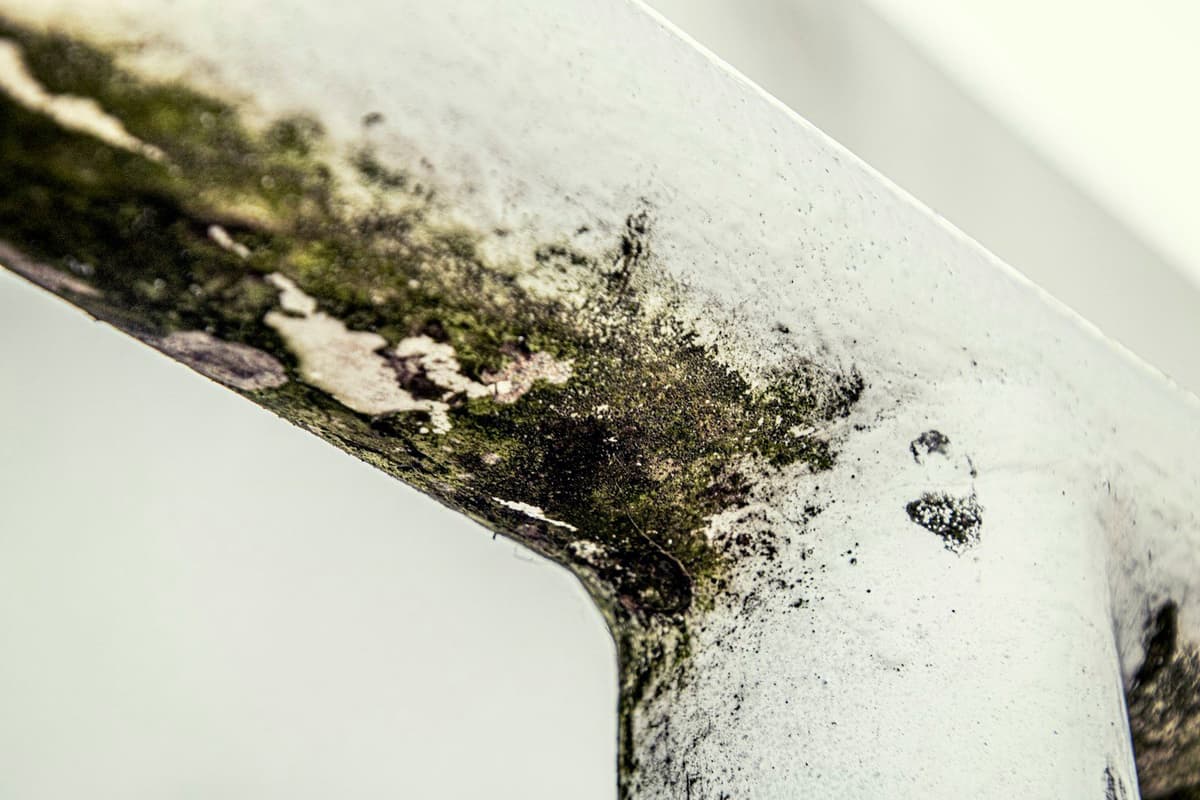
Old walls tend to be more porous, often fragile and subject to dampness or flaking1, especially in areas like Braga, Viseu or Bragança, where winter dampness is more pronounced. Without primer, the wall absorbs paint unevenly: some areas look matte, others shiny, and the final result looks blotchy even after three coats.
On new walls, plasterboard or fresh render, primer is even more important. The new material is extremely porous and will suck up paint like a sponge, requiring four or five coats to achieve uniform coverage. A single primer coat solves the problem and saves finish paint.
For already painted surfaces in good condition, primer can be skipped if the old paint adheres well and the new paint is compatible. But if there is any doubt, applying primer eliminates the risk of poor adhesion or reactions between different paints.
Protect the space: tape, plastic and the patience that saves hours of cleaning
Protecting skirting boards, windows, switches and the floor is not perfectionism. It is the most practical way to avoid hours of cleaning afterwards or permanent stains on surfaces that should not be painted.
Painter's tape (paper tape) sticks easily and peels off without leaving residue, unlike regular adhesive tape. The trick is to apply it well pressed against the surface, running a fingernail or spatula along the edge to ensure paint does not run underneath. The tape should be removed while the paint is still slightly damp (not wet, but not completely dry either), to prevent it from lifting cured paint with it.
The floor should be protected with plastic or cardboard, but plastic alone slips. The safest solution is to place cardboard underneath and plastic on top, or use painter's cloth, which is non-slip and absorbs small splashes.
Furniture that does not leave the room should be moved away from the wall and covered completely. A single drop of paint on a sofa or solid wood table can become permanent, especially if the paint has already dried before being noticed.
Number of coats and drying time: the rush that spoils months of work
Two coats of finish paint are standard for most interior work, but there are exceptions. Changing from a dark to a light colour may need three coats. Painting over a wall with stains (even after primer) may need an extra coat in the affected area.
The most frequent mistake is applying the second coat too early. A room of 15 to 20 m² in good condition normally takes one working day, but if preparation is needed (filling, sanding), it can take 2 to 3 days. Paint may seem dry to the touch after one or two hours, but complete drying between coats takes 4 to 6 hours, depending on temperature, ventilation and air humidity. Applying the second coat before the first is completely dry creates a fragile surface that peels easily or leaves roller marks.
In apartments in Lisbon or Porto, where relative humidity can be high in winter, drying may take longer. Opening windows for ventilation helps, provided the temperature does not fall below 10 °C (most paints lose application and drying quality at very low temperatures).
What the platform offers to avoid surprises
When a quote is requested by square metres, the value should be assessed based on the real condition of the surface, because two walls with the same area can be in completely different conditions. A wall in good condition, already painted a few years ago, requires only light cleaning and two coats. A wall with cracks, old dampness or flaking paint layers needs structural repair, anti-dampness treatment, filler, primer and then paint. The final price can be double, even though the area is the same.
Our platform always requests photos and videos of surfaces before closing any quote, precisely to avoid the client accepting a value based only on square metres and then discovering that the real condition of the wall involves extra work. The professional can assess the condition of the walls from the images or combined with a visit; both ways are valid and lead to the same result: a quote adjusted to the actual work.
All job details are recorded online and visible to the client, the professional and the platform. There are no contracts only on paper or verbal agreements that each person interprets their own way. What was agreed is written and accessible to everyone.
Payment is made in two moments: 50% at the start to reserve the date and buy materials, and 50% at the end after the work has been verified. This model protects both parties and ensures that no one pays in advance for something that has not yet been done.
Finally, the platform always verifies that the professional is duly registered as self-employed or has an incorporated company. The client does not need to ask for proof or confirm registrations: this verification has already been done before the professional appears as an option.
Prepare well today, avoid redoing tomorrow
Wall preparation is not the visible part of paint work, but it is what determines whether the result will last two years or ten. Cleaning, repairing, sanding, applying primer and protecting the space are steps that take time, but eliminate the most common problems: paint that peels, stains that reappear, uneven finish or colours that do not cover.
When the work is done by a professional, preparation should be included in the quote and timeframe. When done by the homeowner themselves, the temptation to skip steps exists, but the result rarely justifies the rush. Paint can only do what the surface allows, and a poorly prepared surface will never hold good paint, no matter how good the paint chosen is.

Ready to paint?
Get free quotes from verified local painters in minutes. No commitment.
Sources
External sources open in a new tab.
- Como pintar casas com paredes antigas em Bragança 🧱 - Loja de Tintas Onlinelojadetintasonline.pt