Sanding between interior paint coats is one of the most repeated practices in painting tutorials and recommendations, but it is not always necessary. In Portuguese homes, where most interior walls are already painted with plastic or acrylic paint, sanding between each coat can be a waste of time, generate unnecessary dust, and in some cases compromise the final finish.
Understanding when sanding really makes a difference and when it can be skipped helps to better organize the work, avoid extra costs, and achieve a lasting result without unnecessary steps.
When sanding between coats makes a difference in the finish
Sanding between coats serves to remove imperfections from the previous layer, small dust particles trapped in the paint, or brush and roller marks that dried unevenly. On new or freshly prepared surfaces, it is essential to correct imperfections and sand before applying paint1, but between coats the situation changes.
If the first coat dried uniformly, without lumps, drips, or rough areas, there is no technical reason to sand before the second. A pause of 4 to 6 hours between coats is sufficient to ensure satisfactory drying of interior paints2, and the next layer will adhere without issue.
Sanding only makes sense when the first coat created unwanted texture, when loose roller threads remain on the surface, or when the wall was touched before it dried completely. In these cases, light sanding with fine-grit sandpaper (220 or 240) helps, but it should not be treated as mandatory on all jobs.
In apartments in Lisbon, Porto, or Coimbra, where walls already have several layers of plastic paint applied over the years, the base is already sealed. Adding one or two more coats over that surface does not require intermediate sanding, as long as the application is careful and drying time is respected.
Situations where sanding between coats is unnecessary or harmful
Sanding between coats on an already prepared wall with paint in good condition can do more harm than good. Sandpaper removes part of the previous layer, creating dust that must be cleaned before the next coat. If the cleaning is not perfect, that dust is trapped in the new layer and creates small defects in the finish.
On matte or satin finish paints3, which are most common in residential interiors, sanding between coats can remove pigment from the previous layer and create stains when the second coat is applied. The result is a wall with uneven color, especially in darker or more intense shades.
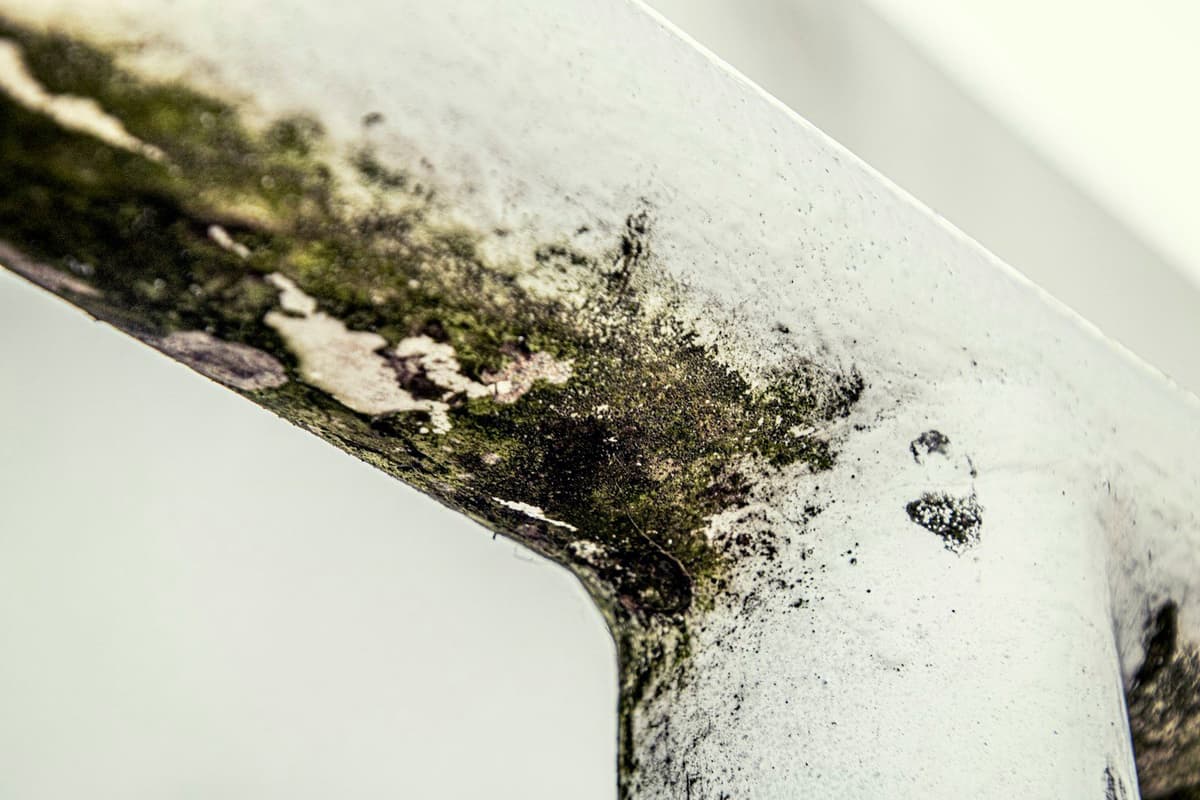
Another situation where sanding is unnecessary: when applying paint of the same color over a base already painted, in good condition, without stains, mold, or cracks. In this scenario, the function of the second coat is only to reinforce coverage and even out the tone. Adhesion is guaranteed by chemical compatibility between layers, not by surface roughness.
In rooms such as bedrooms, living rooms, or corridors in apartments in Porto, Braga, or Setúbal, where the wall is clean and the previous paint has not peeled, sanding between coats adds a step that does not improve the final result. Focus should be on quality of application, drying time, and choice of appropriate tools - quality rollers and brushes for corners.
What matters more than sanding: initial preparation and application technique
The final finish of an interior paint job depends much more on the initial surface preparation than on sanding between coats. Walls with poorly repaired cracks, untreated mold, or loose paint flakes compromise any job, regardless of how many times you sand between layers.
If preparation is needed (filling, sanding, removing wallpaper), it can take 2 to 3 days before starting to paint. That initial time is well spent. Repairing cracks correctly, applying primer when necessary, and sanding the repair compound before the first coat are steps that guarantee adhesion and durability.
After that preparation, the application technique becomes the deciding factor. For large, flat areas, using a roller allows quick and uniform application, and in areas near baseboards, switches, or doors, a small brush ensures control without smudging. When application is done well, the paint dries without marks and without need for correction between coats.
In old homes in central Lisbon, Alfama, Graça, or Mouraria, where walls may have several accumulated layers of paint and some irregularity, initial sanding and repair are essential. But between the first and second coat of new paint, sanding is only justified if there is a visible defect.
When the professional should sand and how the client can verify
An experienced professional knows when sanding between coats adds value to the work and when it is just another step that consumes time and generates dust. A painter with experience in older apartments knows how to apply compound, primer, and coats uniformly, avoiding rework.
If the first coat dried well, without defects, and the surface is smooth to the touch, there is no reason to sand before the second. If, on the other hand, roller marks, dried drips, or areas with irregular texture remain, light sanding fixes those defects. The client can verify by running a hand over the dry wall: if the surface is smooth and without texture, it is ready for the next coat.
In painting quotes, sanding between coats is rarely specified as a separate item. Initial preparation yes, because it involves repair, cleaning, and sealing. Between coats, sanding should only happen when there is a technical reason, not out of routine.
On our platform, all job details are recorded online, visible to the client, the professional, and the platform. This includes the agreed steps, number of coats, type of paint, and surface conditions before starting. When the scope of work is clear from the start, there is no room for unnecessary extra steps or surprises at the end.
Practical rule to decide whether to sand or move forward
Before deciding to sand between coats, it is good to make three simple checks. First, has the previous coat completely dried? If it is still damp or sticky, there is no point sanding, you need to wait. Second, is the surface smooth to the touch? If yes, you can move forward to the next coat without sanding. Third, are there visible defects, lumps, brush marks, or stuck dust? Only in this case does light sanding improve the result.
In apartments in the Algarve, Alentejo, or coastal areas, where humidity can delay drying, respecting the time between coats is more important than sanding. Applying the second coat before the first is dry causes blistering, peeling, and stains that no amount of sanding fixes afterward.
The logic is simple: sanding should solve a real problem, not be an automatic habit. When painting is planned, the surface well prepared, and application careful, most interior painting jobs in Portugal completely skip sanding between coats.

Ready to paint?
Get free quotes from verified local painters in minutes. No commitment.
Sources
External sources open in a new tab.