Working out a painting quote should be simple: multiply square metres by a price. In practice, between the initial figure and the final invoice there are a series of factors that are rarely explained before work begins. Not out of bad faith, but because many quotes show only the visible line (paint and labour) and ignore everything in between.
Understanding these hidden costs before accepting a proposal is the difference between a quote that holds up and a surprise at the end.
The difference between labour-only quotes and all-inclusive quotes
One of the biggest differences in a quote lies in knowing whether the price includes only labour or also includes paint, primer, fillers, sandpaper, protection, repairs and final cleaning.1 This point seems basic, but it is the source of many misunderstandings.
When the quote lists only labour, the property owner is responsible for buying the paint, calculating the quantity, purchasing primer, filler for repairs, painter's tape, floor protection and all the sandpaper and brushes needed. In a two-bedroom flat in Lisbon or Porto, the cost of materials can easily add 20% to 40% to the labour cost.
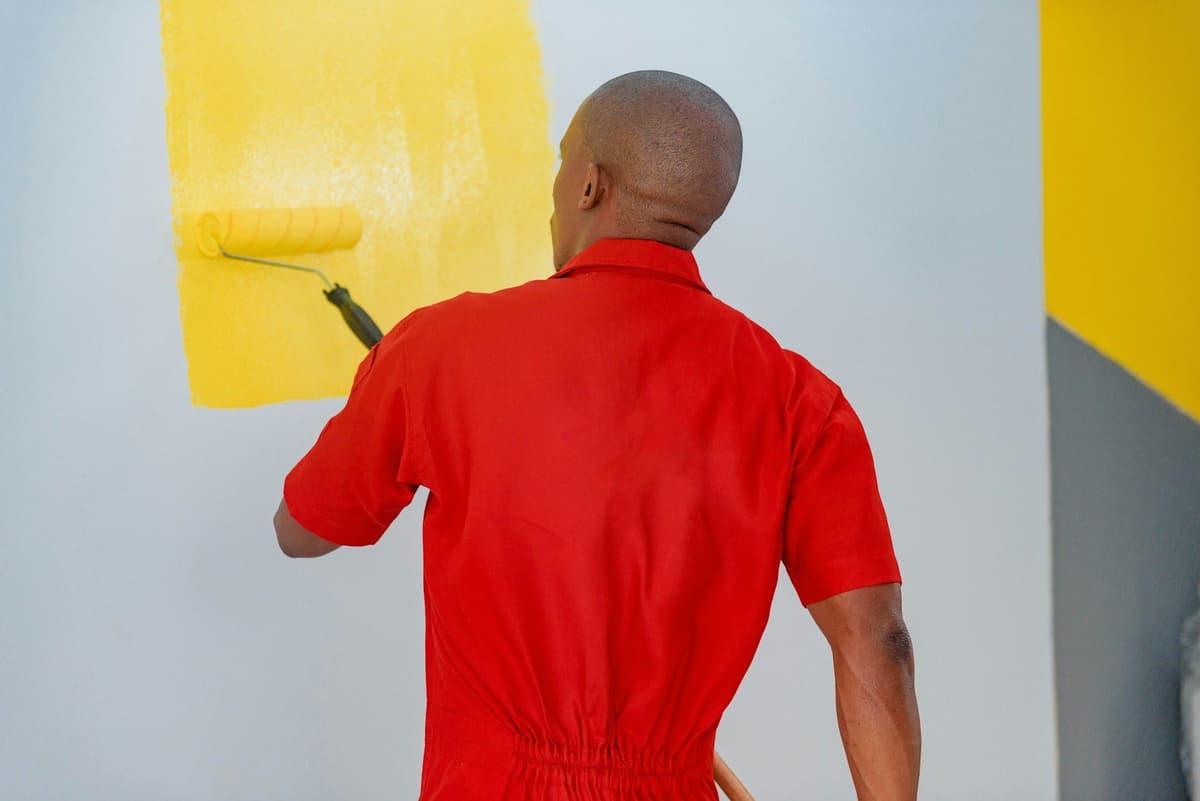
In a quote with materials included, the professional brings the appropriate paint, consumables, protection and everything needed to complete the job. This model tends to cost more per square metre, but eliminates the responsibility of choosing the wrong materials, running out halfway through or wasting over-purchased paint.
Our platform always requests photographs and videos of the surfaces before closing any quote, precisely to anticipate the type of preparation needed and clarify what is or is not included in the quoted value.
Surface preparation: the cost that changes even when the area is the same
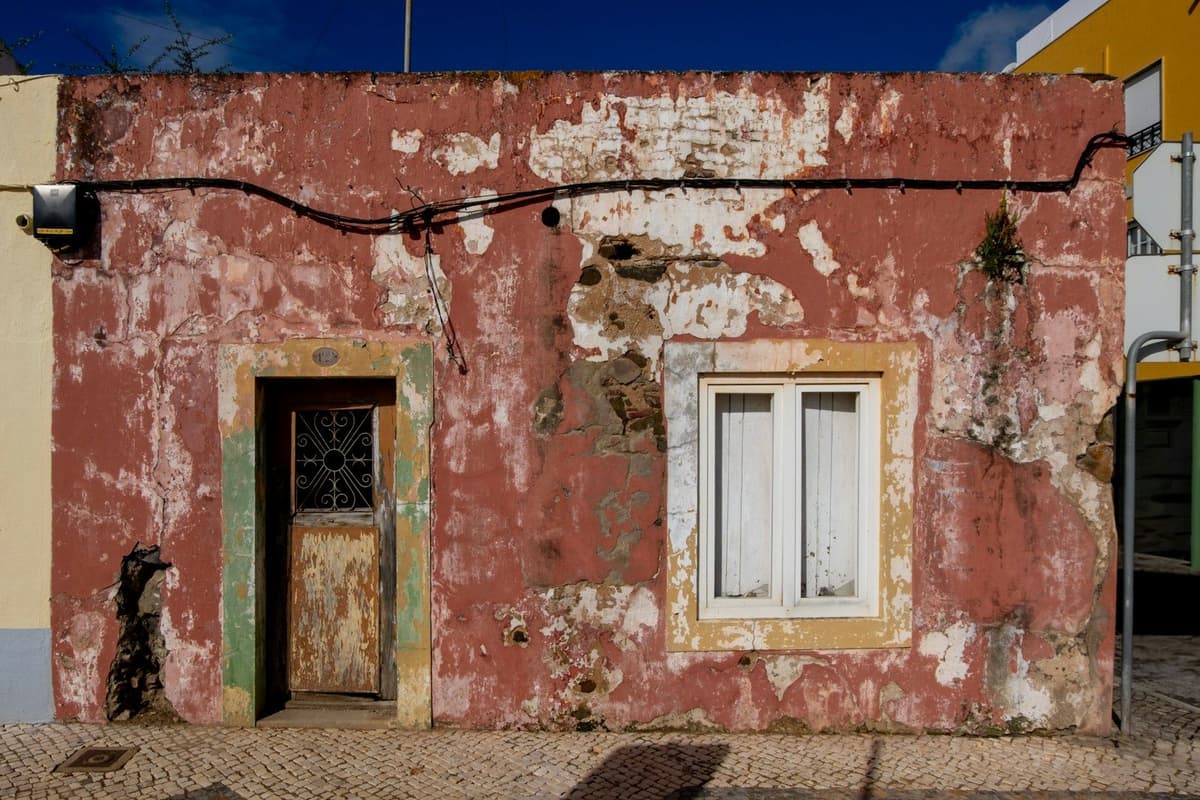
Two two-bedroom flats with 80 m² can have completely different quotes, even if the painting area is identical. The reason lies in the actual condition of the walls2 at the time work begins.
Cracks, stains, damp or peeling paint require preparation that can significantly alter the quote. If the walls are in good condition and only need light cleaning before painting, the work is quick. But if there is a need to sand large areas, apply filler to several cracks, remove damp stains3 or prime porous surfaces, time and materials multiply.
Preparation work such as sanding, filling and plastering increases the price by 30 to 60 per cent, but is essential for a lasting finish. This variation rarely appears in the first quote because it depends on assessing the space, whether through detailed photographs or an on-site visit.
In Lisbon or Porto, where many buildings are several decades old and have structural damp problems, preparations tend to be more demanding than in a modern flat in Aveiro or Leiria. Ignoring this difference at the start leads to unrealistic quotes.
Access to the property and logistics: factors that no one counts but weigh on the price
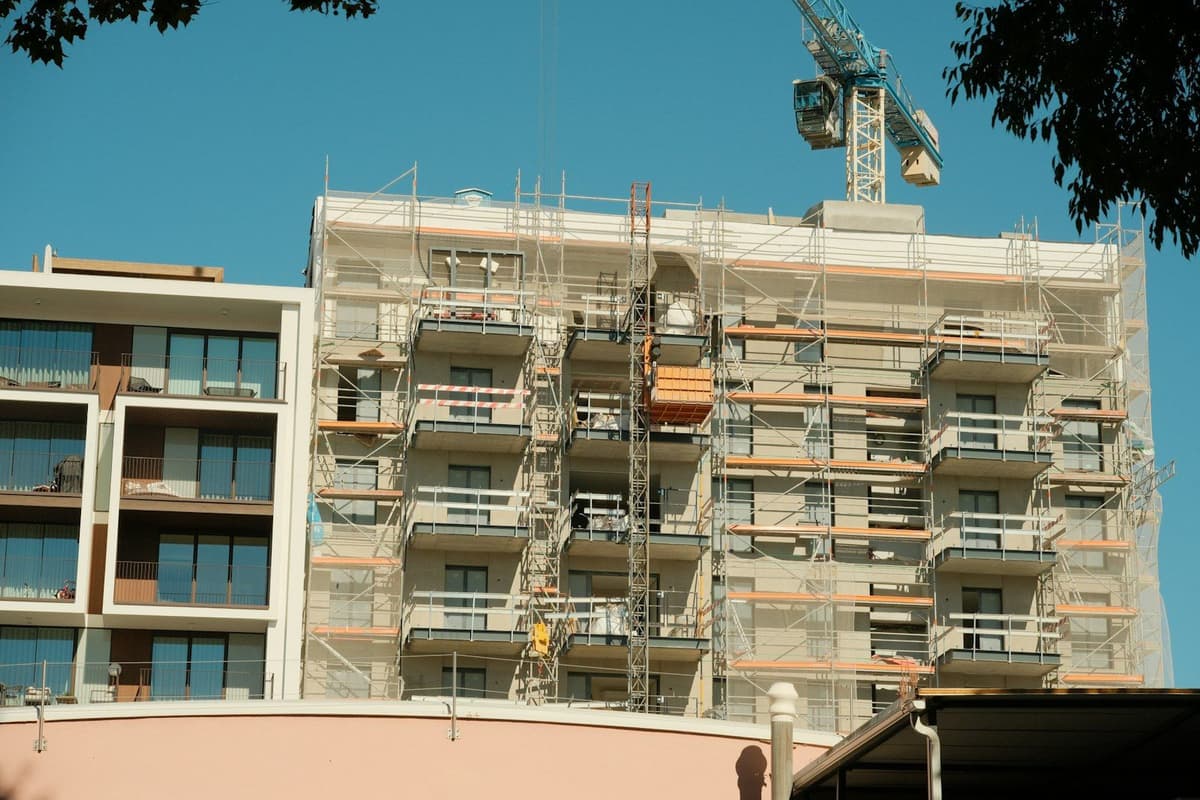
In old buildings in the historic centres of Lisbon, Porto or Coimbra, access can be difficult (narrow stairs, no lift, distant parking), which also affects the time needed to transport materials and the cost of travel.
Climbing tight stairs with paint cans, portable scaffolding and protective sheeting takes time. Parking 500 metres from the building means several trips. Flats on high floors without a lift increase logistics. These factors rarely appear separately itemised, but any experienced professional adjusts the quote based on them.
Beyond that, protecting the space also matters. Protecting furniture, floors and fixed elements (doors, windows, skirting boards) also consumes time and materials. In a furnished flat where everything needs to be protected, work takes longer than in an empty room ready to paint. Covering furniture, laying floor covers, protecting windows and skirting boards requires materials and working hours that are not directly related to painting, but are essential to prevent damage.
In houses with high ceilings or internal stairs, the equipment needed also changes: tall ladders, mobile scaffolding, greater care in application. All of this increases time and cost.
The number of coats and colour change: when per-square-metre pricing stops making sense
Another invisible factor in the initial quote is the number of coats needed. The number of coats required depends on the coverage of the chosen paint and the previous colour. Changing from a dark wall to white requires more coats than refreshing an already light wall.
A quote calculated per square metre normally assumes two coats over a wall in good condition and neutral colour. But if the owner wants to change a dark blue wall to white, the work may require three or even four coats, doubling the cost of paint and application time.
Similarly, walls with old stains (smoke, damp, pen marks) may need a blocking primer before the first coat of paint. Ceilings yellowed by nicotine also require prior treatment. These details change the quote, but are only apparent when the professional sees the space.
This is why quotes based solely on total area, without assessment of existing colour or surface condition, always work as indicative, never as definitive.
Regional differences and price differences between cities
In Lisbon and the Metropolitan Area, labour prices are typically 20% above the reference values for the centre of the country. This difference does not just reflect the cost of living, but also demand, parking difficulties, access and the type of building that predominates.
In Porto, proximity to the ocean and high humidity levels throughout the year also influence the type of materials needed and preparation time, especially in old buildings. In Faro or the Algarve, exposure to salt and wind alters the type of paint recommended for exterior work, which is also reflected in the quote.
In smaller cities or inland areas, costs tend to be lower, but the availability of specialist professionals may also be smaller, which sometimes balances out the figures.
How to request a realistic quote and avoid surprises
To prevent the initial quote from turning into a surprise at the end, there are a few simple but decisive steps.
First, share clear photographs of all surfaces to be painted: walls, ceilings, corners, skirting boards, doors. Show cracks, stains, damp areas or peeling paint. Indicate the current colour and the desired colour. On our platform, we always request these photographs and videos before presenting any final quote, because it is the only way to assess the real preparation needed.
Second, clarify what is included in the price: labour only, or also paint, primer, consumables, space protection and final cleaning. Confirm how many coats are planned and whether the quote already covers minor repairs.
Third, ask if there are foreseeable additional costs: property access, need for special equipment, furniture protection, stain or damp treatment. A good professional anticipates these points and explains them before starting.
Finally, confirm the payment model. Our platform works with a clear scheme: 50% at the start (to reserve the date and purchase materials) and 50% at the end, after the work has been verified. This model protects both parties and prevents misunderstandings.
Ready to paint?
Get free quotes from verified local painters in minutes. No commitment.
Sources
External sources open in a new tab.
- O que faz variar o orçamento de pintura na mesma áreapinturasportugal.pt
- O que faz variar o orçamento de pintura dentro da mesma áreapinturasportugal.pt
- Pintar por cima de humidade: porque nunca resolve e o que fazer antespinturasportugal.pt