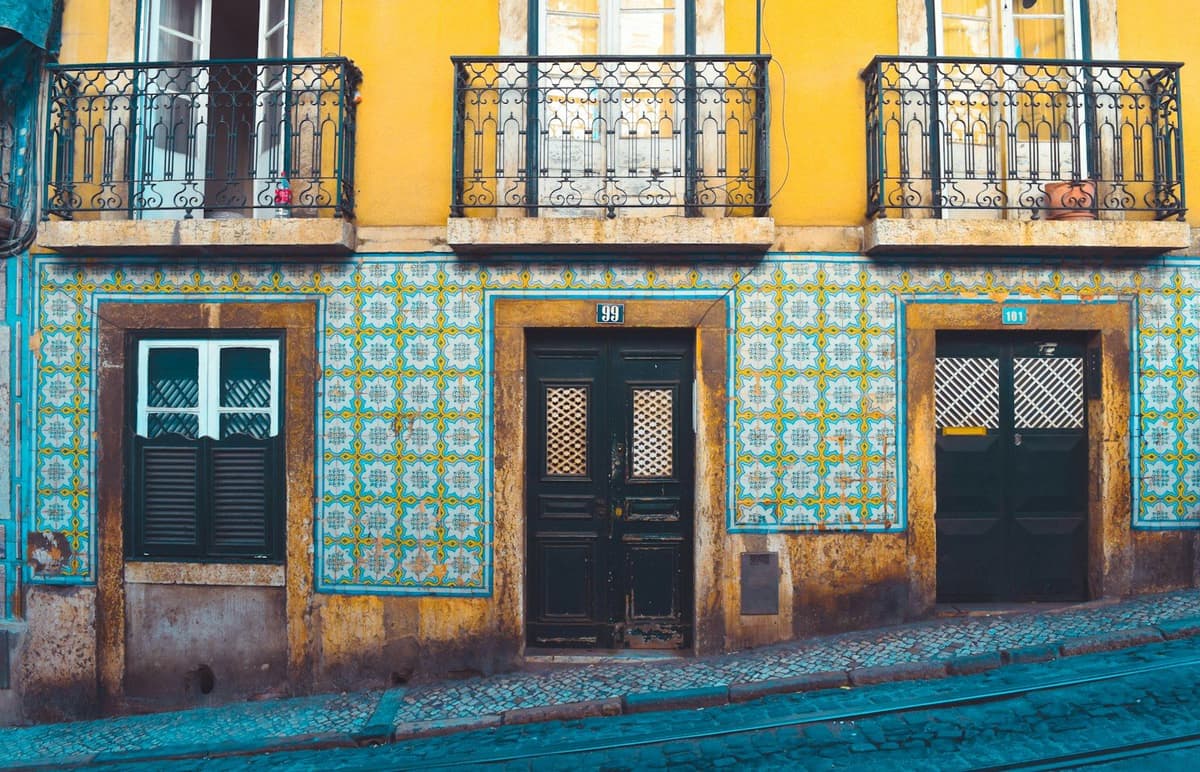
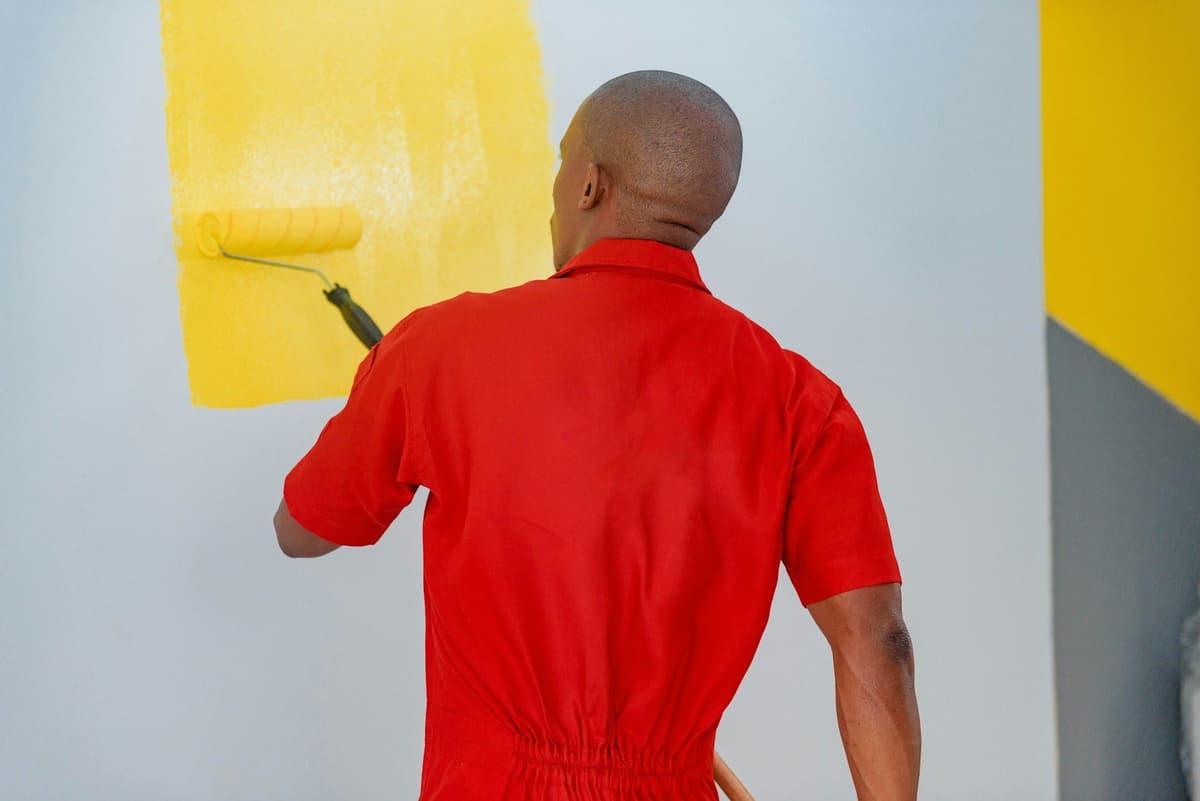
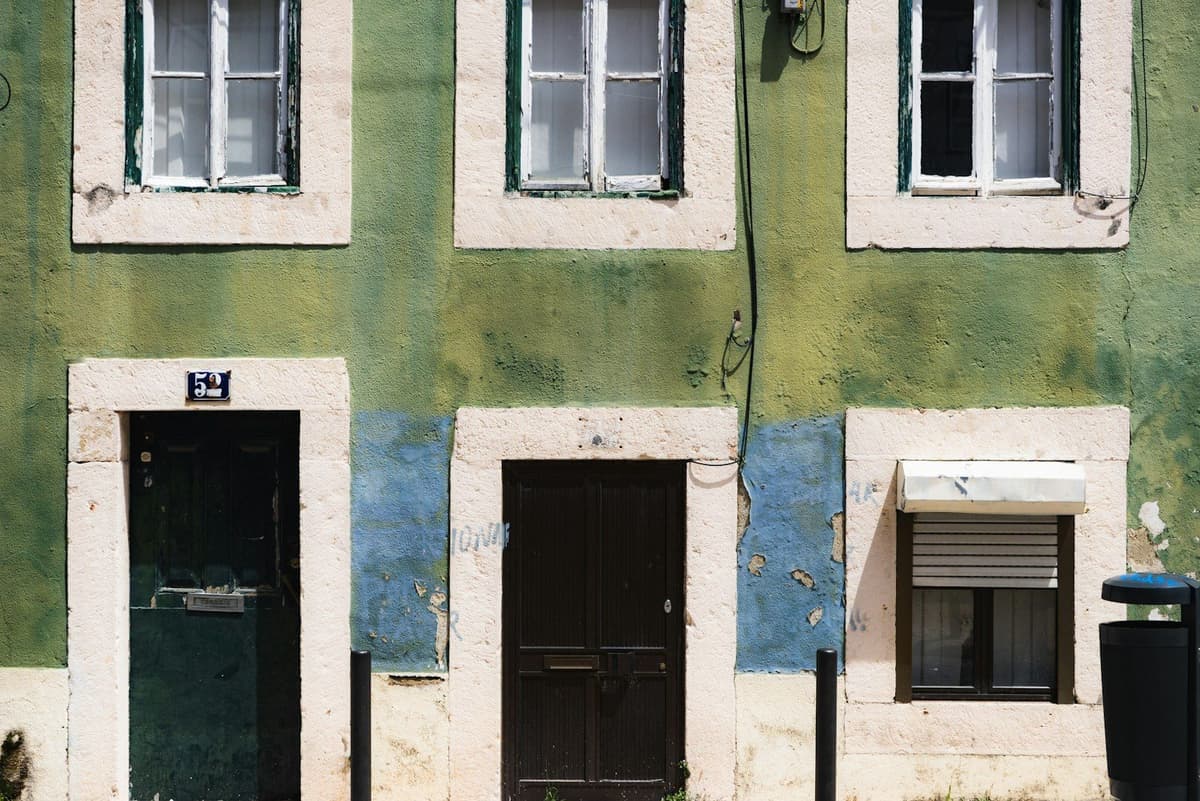
Summer in Portugal brings abundant sunshine, long days and the desire to move forward with work that has been delayed. Painting the facade seems like an obvious choice: it does not rain, paint dries quickly and the calendar is open. But this apparent advantage hides pitfalls that can compromise the work before even the second coat dries.
Temperature and drying: the line between protecting and ruining
A wall in the midday sun in Lisbon or Faro can easily exceed 40 °C to the touch. Portuguese climate combines intense sun, high humidity in coastal areas, wind and temperature fluctuations1 that require extra care when applying paint. When paint is applied over a surface that is too hot, evaporation accelerates before the film has time to adhere. The result: roller marks, bubbles and weak protection that peels off after months, not years.
The ideal temperature window is between 10 °C and 30 °C. Outside this range, paint chemistry loses stability. Too much heat forces surface drying while inner layers remain liquid; too much cold prevents film formation. In Portuguese summer, this translates into a practical rule: paint early in the morning or late in the afternoon, when the wall is no longer exposed to direct sunlight.
Coastal humidity and salt spray: what changes between coast and inland
The difference between painting a facade in Braga and another in Aveiro or the Algarve is not just in the calendar, it is also in proximity to the sea. Exterior painting is much more than a simple aesthetic detail; it is the protective armour of any property against Portugal's harsh climate. Whether it is coastal humidity or the intense sun of the interior, keeping the facade in perfect condition is essential to extend the durability of the structure.
In coastal areas, salt spray accumulates even on dry summer days. The sea breeze brings salt particles that settle on the freshly painted wall, creating a layer that hinders adhesion. That is why pre-cleaning the facade with fresh water and choosing siloxane or reinforced acrylic paints make all the difference. Inland, the main threat is the temperature swing: walls that burn during the day and cool sharply at night contract and expand, testing the elasticity of the paint.
Surface preparation: where summer can be an ally
If excessive heat harms application, it also offers a clear advantage in the preparation phase. On exterior facades, facade cleaning before painting may be necessary to remove dirt, fungi, dust and debris before any coat. The dry summer weather speeds up drying after high pressure washing, allows hidden cracks to be identified that were masked by damp stains, and makes it easier to apply primers over new or repaired renders.
However, preparation cannot be rushed. Filling cracks, sanding flaked areas and applying sealant requires each step to dry completely before the next. The common mistake is confusing surface-touch drying with structural drying. A repair filler may seem dry on the surface in 30 minutes under strong sun, but internally it is still releasing moisture. Applying paint over that base creates bubbles and stains that only appear days later, when there is no margin to correct without starting over.
The time of day that defines the final result
The best time to paint in Portuguese summer is not a season, it is an hour. Between 7am and 11am, the wall temperature is still controlled, overnight humidity has already evaporated and there is enough natural light to assess coverage. Late in the afternoon, from 6pm onwards, the heat decreases but the light loses quality, making it difficult to detect flaws or missed areas.
In cities like Porto or Coimbra, where summer rarely brings prolonged extreme heat, the working window widens. In the Alentejo or inland Algarve, where thermometers easily exceed 35 °C, painting between 12pm and 5pm is simply unfeasible. The paint dries before it can be spread, the roller leaves marks and adhesion is compromised. In these cases, work progresses in two or three hours a day, which requires planning the job over several days and respecting drying times between coats.
Our platform always requests photographs and videos of surfaces before closing any quote, precisely to avoid surprises during the work. Two facades of the same area may require completely different work depending on sun exposure, render condition and maintenance history. A professional who has seen the space (through detailed images or an on-site visit) can anticipate the number of coats, the type of primer and the best time of day to apply, adjusting the schedule to the real climate of each region of the country.
Ready to paint?
Get free quotes from verified local painters in minutes. No commitment.
Sources
External sources open in a new tab.
- Tinta exterior: acrílica, elástica ou revestimento?boutiquedastintas.pt