Choosing the right colour and finish for painting an apartment in Portugal depends on far more than personal taste. Natural light, room size, wall type, and even property location directly influence the final result. This guide brings together practical recommendations to help decide with greater confidence.
Colours by room: what tends to work best
Each space in the home has different needs. The living room, being a social area, tends to benefit from neutral and versatile tones, such as soft white, light grey or beige, which adapt easily to existing décor. Bedrooms allow more freedom, with softer and more relaxing tones, such as light blue, soft green or earthy tones, which help create an environment conducive to rest.
In the kitchen, white remains a safe choice, but pastel tones such as light yellow or aqua green have gained ground, especially in kitchens open to the living room. In bathrooms, moisture is the most important factor to consider, both in colour choice and, mainly, in finish selection.
Finishes: matte, satin or gloss?
The finish chosen has as much impact on the final result as the colour itself. Matte finish is the most common in living rooms and bedrooms, because it disguises small wall imperfections and creates a soft visual effect without reflections. However, it is less resistant to frequent cleaning.
Satin finish is a middle ground option, widely used in kitchens and bathrooms, because it resists moisture better and is easier to clean without the excessive shine of gloss finish. The latter is rarer on apartment walls, being more often used on skirting boards, doors and window frames.
The impact of natural light on colour choice
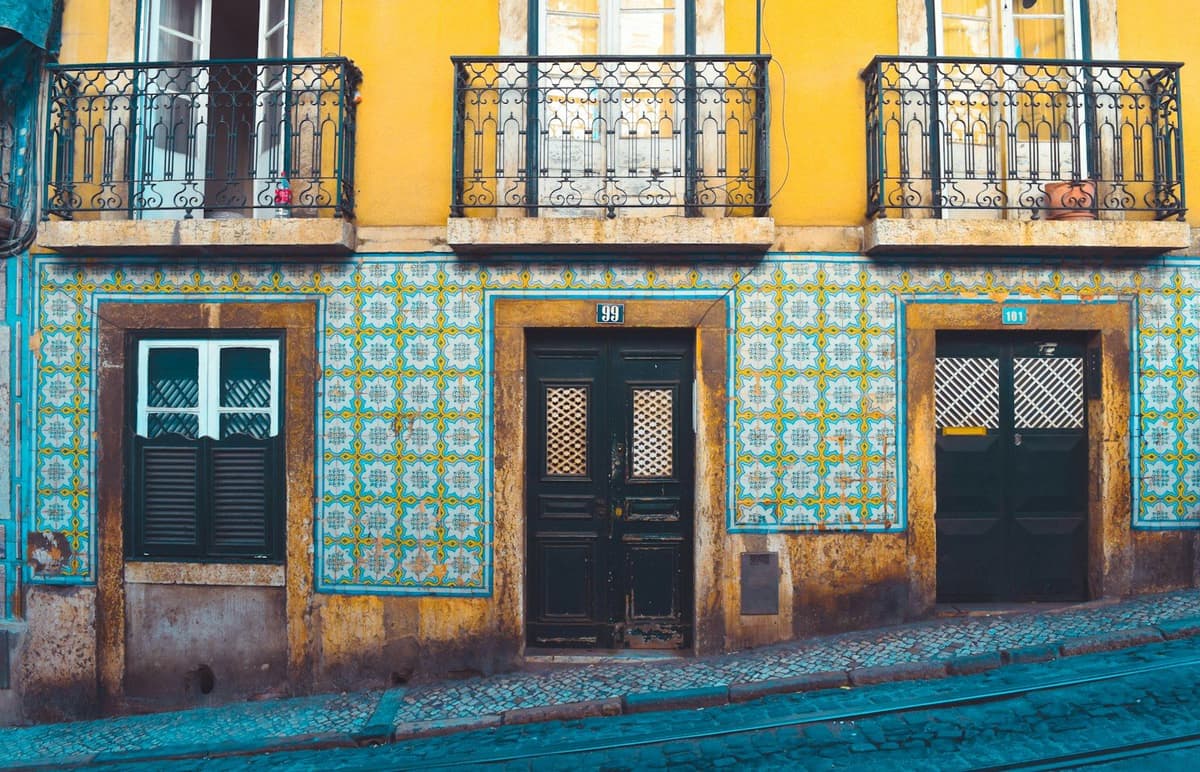
Apartments with little natural light, common in denser urban areas such as Lisbon or Porto, benefit from light and warm tones, which help compensate for the lack of brightness. Very dark colours in these rooms tend to emphasise the feeling of shadow and can make the space appear smaller visually.
On the other hand, rooms with plenty of direct natural light, such as enclosed balconies or rooms facing south, allow greater freedom to experiment with more intense or darker tones, since the light helps balance the contrast.
Old walls and the role of preparation
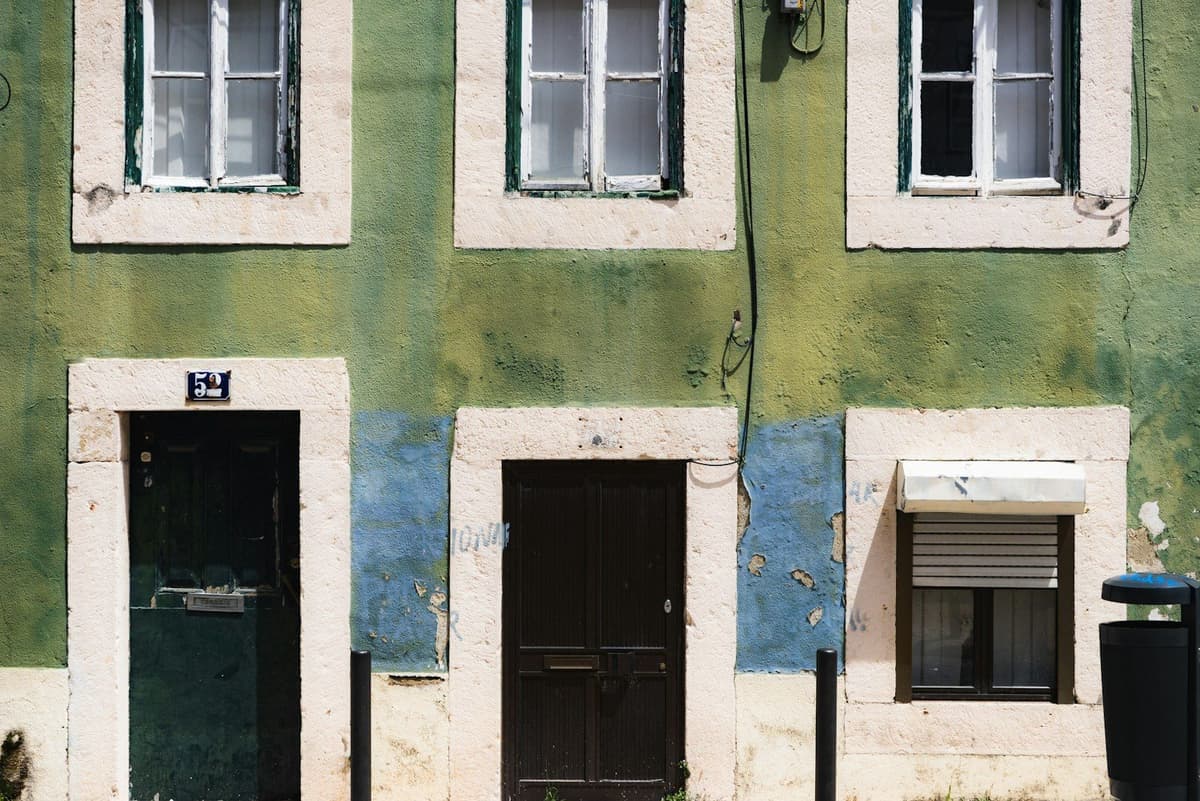
In old buildings in areas such as Porto, Coimbra or Lisbon, it is common to find walls with fine cracks, uneven plaster or signs of old moisture damage. In these cases, matte finish usually disguises irregularities better, but this does not replace proper surface preparation. Services such as wall smoothing1 or wall filling2 are often necessary before applying the final colour, especially when the aim is a darker finish or with shine, which tends to highlight any defect in the base.
How to test and decide without costly mistakes
Before buying paint tins for the entire apartment, there are simple steps that avoid regrets:
- Observe the colour sample on the wall at different times of the day, because artificial light at night changes the tone completely.
- Consider the type of flooring and existing furniture, to avoid creating unbalanced contrasts.
- Decide on the finish before the colour, since the same tone can look completely different in matte or satin.
- Ask the professional to assess the actual condition of the walls before finalising the quote.
When the project involves painting several rooms, it is also worth thinking about the order: high-traffic spaces, such as the living room, usually benefit from safer decisions, while bedrooms and home offices allow more boldness. For those seeking guidance on the number of coats needed for a uniform result, it is worth consulting the article on interior paint coats3, since darker colours or satin finishes usually require more care in application.
Before painting: what to confirm with the professional
After choosing colour and finish, the next step is to ensure that the quote reflects the reality of the walls. A quote calculated solely by square metre is always indicative, because two rooms with the same area can have completely different conditions, one with healthy plaster and another with cracks or old moisture damage. The final price can only be confirmed after assessing the actual condition of the surfaces, whether through photos and videos or with a site visit, and both work the same way. That is why our platform always requests photos and videos of the walls before finalising any quote, precisely to avoid surprises during the work.
It is also worth checking whether the professional is properly registered as self-employed or whether the company is legally established. On our platform, this verification is done before presenting any professional as an option, which saves time for those deciding on colour, finish and quote at the same time. As for payment, the most common model on the platform is simple: 50% at the start, to reserve the date and buy materials, and 50% at the end, after the work is verified. And all agreed scope, including chosen colours and finishes, is recorded online, visible to the client, the professional and the platform.
Frequently Asked Questions
Light and neutral tones, such as soft white, light beige or very subtle grey, usually enlarge the space visually because they reflect more light. Matte finishes help disguise small imperfections without creating reflections that confuse the perception of space.
It is not the best option in most cases. In rooms with little direct light, dark tones tend to emphasise the feeling of shadow, so it usually pays to opt for warm neutrals or light tones in those specific areas.
Satin usually is the most balanced choice, because it resists moisture better and is easier to clean than matte, without the excessive shine that highlights imperfections.
Yes, darker colours and finishes with some shine tend to highlight cracks, stains or irregularities in the plaster. That is why good surface preparation before final painting usually makes a difference in the result.
The sample should be tested directly on the wall, at different times of the day, because natural and artificial light alter the perception of colour. It is also important to confirm with the professional the number of coats needed, as this influences the final uniformity of the tone.

Ready to paint?
Get free quotes from verified local painters in minutes. No commitment.
Sources
External sources open in a new tab.
- Alisamento de Paredespinturasportugal.pt
- Barramento de Paredespinturasportugal.pt
- Demãos de tinta interior: quantas aplicar e porquêpinturasportugal.pt