Choosing the right colour and finish for painting an apartment in Portugal may seem like a purely aesthetic decision, but it has a direct impact on how the space is experienced. The colours chosen can have a significant impact on mood, energy, and the overall atmosphere of the home1, especially in apartments where usable area, sun exposure, and ceiling height limit the natural light available. In Lisbon, Porto, or Coimbra, where many apartments have rooms facing interior courtyards or narrow streets, the wrong colour choice can make a space appear even darker or smaller.
Why colour alone isn't enough: the role of finish
When thinking about painting an apartment, the first concern is usually colour. But the paint finish - matte, satin, or gloss - carries as much weight in the final result as the chosen tone. Matte disguises imperfections and offers a soft finish, but is less washable; satin balances sheen and durability, being the most recommended for interiors; gloss is highly washable, but highlights wall defects2. In an apartment in Faro or Setúbal, where Algarve or Sado estuary light enters strongly during the day, a gloss finish can reflect too much and tire the eyes. In a small studio in Porto, where natural light is scarce, a deep matte can make the room appear even more shadowy.
The choice of finish should take into account the function of each room. Corridors, entrance halls, and passageways benefit from satin finish, which allows you to clean finger marks or scuffs without damaging the paint. Bedrooms and living rooms, where visual comfort is sought, work well with matte. Kitchens and bathrooms demand durability: washable paint, preferably satin or with a specific formula for humid areas.
What to consider before choosing a colour: light, space, and room function
Natural light in Portugal varies greatly depending on region and apartment orientation. An apartment facing south in Viseu receives warm light almost all day, which can intensify yellows or oranges to the point of saturating the space. An apartment facing north in Braga, even in summer, maintains cool, diffuse light - here, overly cool tones, such as greyish blues, can make the room feel unwelcoming.
Beyond orientation, space size matters. Compact apartments, common in historic centres in Lisbon or Aveiro, benefit from light colours that reflect light and visually expand rooms. Light tones such as white, beige, sand, or soft grey help reflect natural light better and create a sense of spaciousness, and are also versatile colours that combine easily with different decorating styles3. On the other hand, apartments with high ceilings or spacious rooms can handle more saturated tones or feature walls without the space feeling oppressive.
It's also important to consider the function of each room. A bedroom should promote rest, typically achieved with soft tones - light blues, pale greens, warm greys. A living room where visitors are received or work is done can call for something more stimulating or neutral, depending on use. The kitchen, a zone of activity, accepts brighter colours or contrasts well, as long as the finish is washable and resistant to grease and moisture.
Colour trends in 2026: what's working in Portuguese apartments
For 2026, the trend is combining a light base with details in natural tones, such as olive green, deep blue, or terracotta. This approach keeps the brightness and spaciousness Portuguese apartments need while adding personality through a feature wall or painted elements, such as doors, skirting boards, or alcoves. Instead of painting the entire room in sage green, you might keep three walls in warm white and reserve the more intense tone for the wall where the sofa or bookshelf sits.
Another trend visible in freshly painted apartments in Porto, Lisbon, or Leiria is updated neutrals: instead of traditional light grey, greyish-blues, pinky beiges, or taupe tones appear, bringing depth without weighing down the space. These tones work well in older apartments, where the architecture features mouldings, cornices, or plasterwork - the soft colour enhances details without competing with them.
Earthy tones, such as soft terracotta, light ochre, or sand beige, are gaining ground in areas like Alentejo or the Algarve, where the natural landscape palette inspires interior choices. In an apartment in Beja or Portimão, these tones create visual continuity with the outside and adapt well to the heat and intense light of the region.
Common mistakes when choosing colour and finish - and how to avoid them
One of the most frequent mistakes is choosing colour based solely on a small sample or printed catalogue, without testing it on the real wall. The same paint can look completely different depending on the time of day, hour, and sun exposure. The ideal is to paint a section of wall - at least one square metre - and observe it throughout an entire day: morning, midday, and late afternoon. This avoids surprises after the entire room is painted.
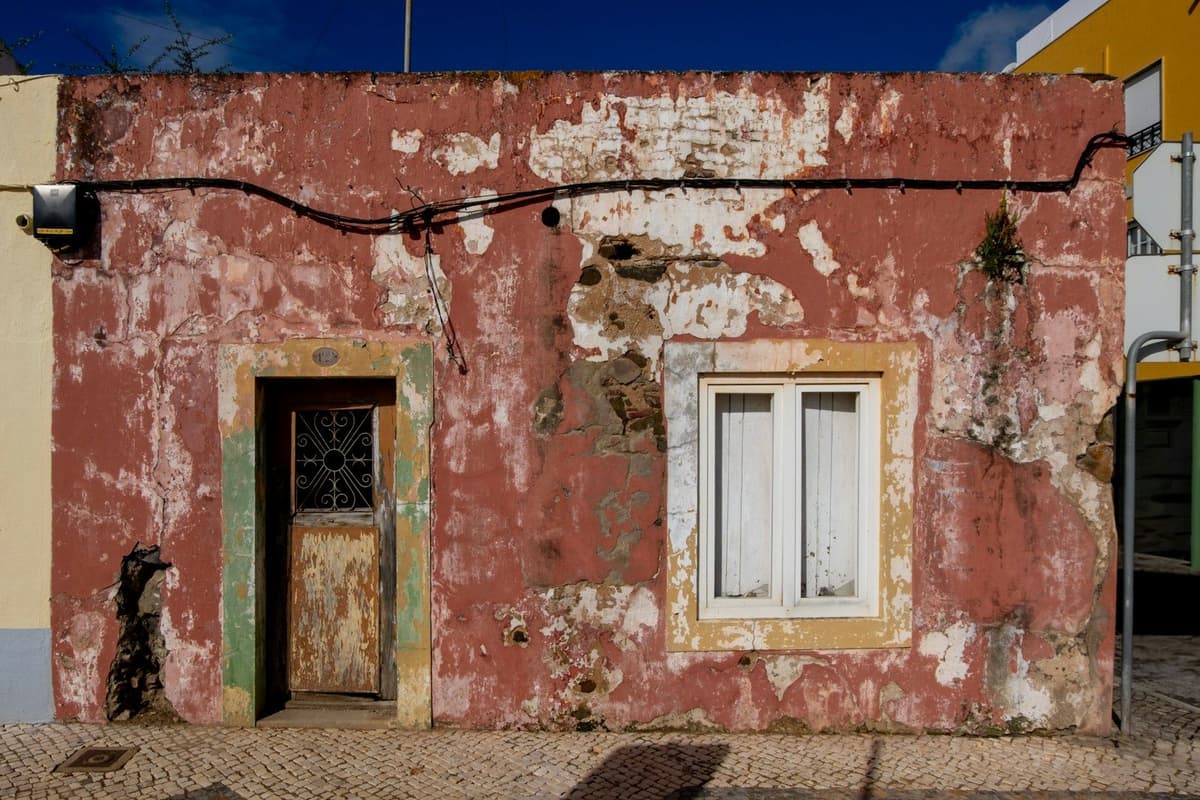
Another common mistake is ignoring the wall's condition when choosing a finish. Walls with imperfections, fine cracks, or irregular texture become very noticeable with a gloss or high-gloss satin finish. In these cases, it's best to prepare the surface well beforehand or opt for a matte that better disguises defects.
Finally, some choose very saturated or dark colours without considering the space's area. In a two-bedroom apartment in Aveiro or Coimbra, with rooms of 12 or 15 m², painting all walls navy blue or dark green can make the space feel claustrophobic. The solution is to use these tones only on one wall or in details, keeping the rest neutral and light.
Next step: request quotes based on what you really need
After deciding on colour and finish, the next step is understanding how much it costs to paint the apartment and finding a trustworthy professional. The quote can vary widely depending on the current wall condition, need for preparation (sanding, filler, primer), the type of paint chosen, and the area to be painted. Several factors influence the final price, including the accessibility of rooms, ceiling height, and work complexity.
On our platform, all professionals presented are registered as self-employed or established companies - this verification is done before any quote is sent. The quote is always based on photos and videos of surfaces to be painted, so the professional can assess the real condition and avoid surprises during work. The agreement is recorded online, visible to the client, professional, and platform, and payment always follows the same model: 50% at the start (to reserve the date and buy materials) and 50% at the end, after everything is verified.
Choosing the right colour and finish for an apartment in Portugal isn't a matter of fashion or isolated personal taste. It's a technical decision that must take into account the available light, the size and function of each room, the wall condition, and the type of maintenance you want in the future. When this choice is made correctly, the result is a more comfortable, functional, and pleasant space to live in every day.
Ready to paint?
Get free quotes from verified local painters in minutes. No commitment.
Sources
External sources open in a new tab.