The rental market in Portugal maintains strong demand, and the first impression of an apartment remains decisive. When a potential tenant visits a property, the paint on the walls is one of the first things they notice, even before evaluating the kitchen or bathroom. Fresh paint immediately conveys the idea of care and cleanliness1, and can make the difference between closing the deal quickly or leaving the apartment empty for months.
When repainting before renting makes sense
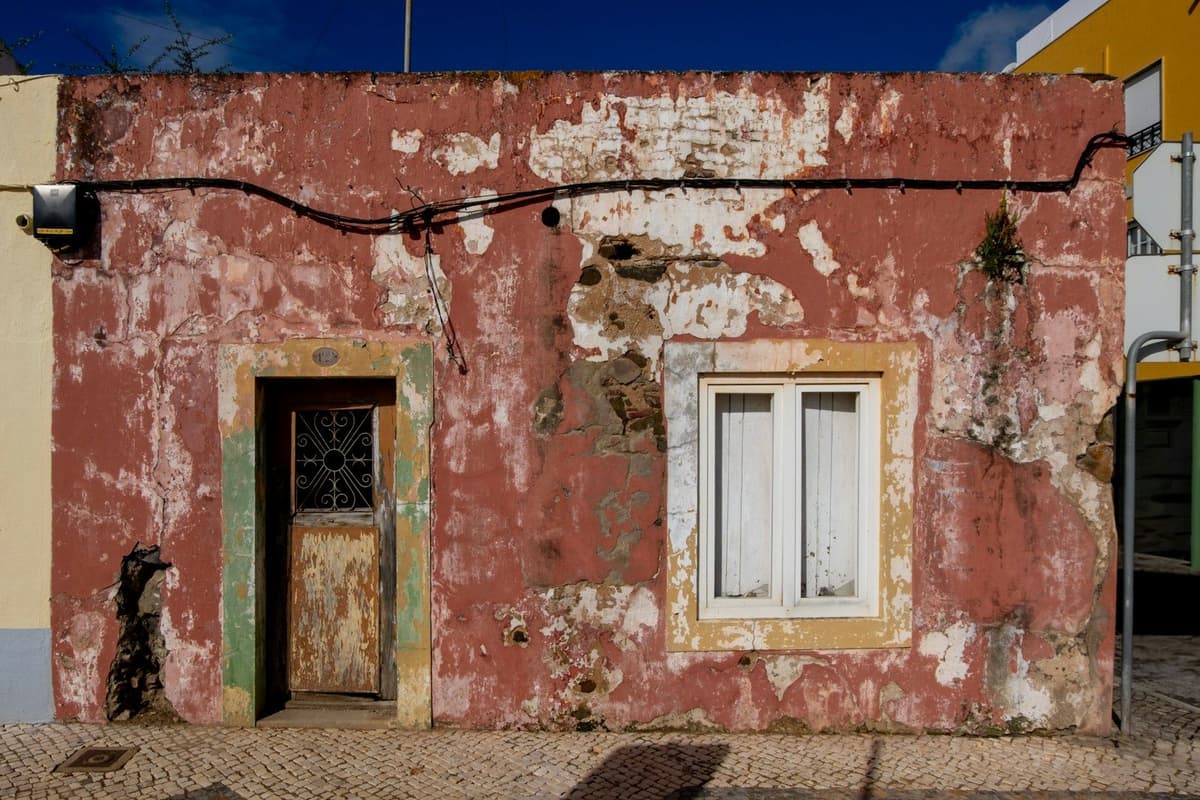
Refreshing the interior paint before listing an apartment for rent is not always mandatory, but it becomes essential in specific situations. If the walls show visible stains, peeling, or signs of treated moisture, fresh paint is not a luxury - it is a necessity. Prospective tenants seek spaces that convey comfort and are ready to move into without additional work.
In older apartments or those ending a long-term lease, walls tend to accumulate marks, yellowing, and natural wear. In these cases, investing in a clean paint job in neutral tones helps restore the space to a well-maintained appearance and allows the tenant to envision themselves more easily in the property. The decision to paint should take into account the actual state of the walls, the target audience (students, young professionals, families), and the rental value the owner intends to charge.
The impact of paint on rental time and rental value
A well-presented apartment rents faster. Repainting is one of the fastest and most cost-effective ways to increase a property's value, offering a clean, modern, and well-maintained appearance2. In competitive areas like Lisbon, Porto, or Coimbra, where apartment supply is high, details matter. Two similar one-bedroom apartments on the same street with identical rents can have very different rental times if one has impeccable walls and the other shows signs of wear.
Beyond speed, paint can influence rental value. Freshly painted apartments with careful finishes and neutral colours (white, light beige, soft grey) allow the owner to justify a slightly higher rent, because the tenant understands they are renting a space where they will not need to invest additional time or money before moving in. The value appreciation varies depending on the area and type of property, but the perception of quality is immediate.
Neutral colours and matte finish: the safest choice for rentals
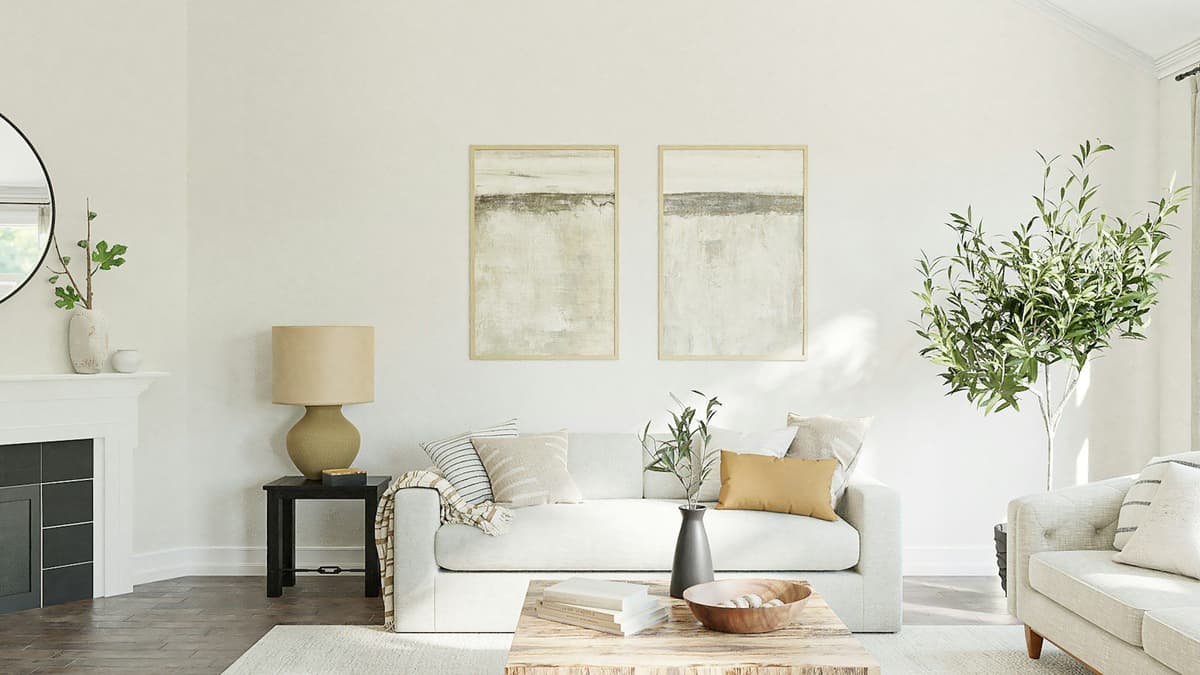
When the goal is to rent out, colour selection should prioritise neutrality. Tones such as pure white, off-white, light beige, or very soft grey adapt to any furniture style and appeal to a wider range of tenants. Bold or highly personal colours may deter candidates, who would have to invest in repainting the space to suit their tastes.
Matte finish remains the most suitable for walls in rental apartments. It hides small imperfections, does not reflect light excessively, and conveys a modern and welcoming appearance. In areas of greater wear, such as corridors or common areas, satin finish can be an alternative because it resists frequent cleaning better, but should only be applied when the wall is in perfect condition, as any irregularity will be more visible.
The paint must have good coverage and durability. In rental apartments, where tenant turnover may be frequent, choosing a washable paint of intermediate to high quality ensures that the investment lasts longer, reducing the need to repaint with each lease change.
Surface preparation: the step that should not be overlooked
Painting without preparing the walls is a frequent mistake in rental properties, and the results become visible after just a few weeks. Poorly treated cracks, nail holes or improperly filled anchors, and moisture stains reappear under the new paint, creating a negative impression and requiring rework.
Before painting, it is essential to sand the surfaces to remove loose paint residue, apply filler to cracks and holes, and let it dry completely before sanding again. If there are signs of moisture (dark stains, blisters, peeling), the cause must be identified and treated before any painting. Painting over moisture never solves the problem and only delays the appearance of greater damage.
In an apartment intended for renting, proper wall preparation ensures that the paint lasts longer, that the tenant does not encounter unpleasant surprises after moving in, and that the owner avoids complaints or maintenance requests at the start of the lease.
How much to invest and how to balance cost and return
The cost of painting an apartment varies depending on the area, the state of the walls, and the quality of the paint chosen. A one-bedroom apartment in good condition, with smooth walls and no major repairs, can cost between 400 and 700 euros for interior painting, including labour. If the apartment has cracks to repair, recently resolved moisture issues, or finishes to redo, the cost can rise to 900 to 1,200 euros.
The return on this investment is measured in two ways: time until the apartment rents and the ability to justify a higher rent. An apartment that rents in two weeks instead of two months saves the owner lost rent that can far exceed the cost of painting. Additionally, the ability to charge 50 to 100 euros more per month over a one or two year lease quickly compensates for the initial investment.
For those who choose to paint before renting, it is worthwhile to request quotes from professionals who have seen the space (through detailed photographs and videos, or an on-site visit). Our platform allows you to send images of the rooms and receive proposals tailored to the actual state of the surfaces, avoiding generic quotes that do not reflect the necessary work. All professionals presented on the platform are verified as properly registered to operate, and the scope of work remains visible online for the tenant, the painter, and the platform.
What to do when the apartment is occupied or between leases
If the apartment is still occupied by a tenant who will be leaving soon, the painting can be scheduled for the period between leases, provided there is sufficient time (at least one week, depending on the area and state of the walls). Coordinating key handover, paint execution, and the new tenant's move-in requires planning, but allows you to maximise occupancy and avoid months of lost rent.
When the apartment is already empty, the window for work is more comfortable. In this case, it is worth taking the opportunity to also handle minor repairs (taps, locks, switches), so the property enters the market in optimal condition and conveys the idea of regular maintenance.
In either scenario, payment for the painting follows the platform's model: 50% at the start (to reserve the date and purchase materials) and 50% at the end, after the work has been verified. This model protects the owner and ensures that the professional delivers the work as agreed before receiving full payment.

Ready to paint?
Get free quotes from verified local painters in minutes. No commitment.
Sources
External sources open in a new tab.