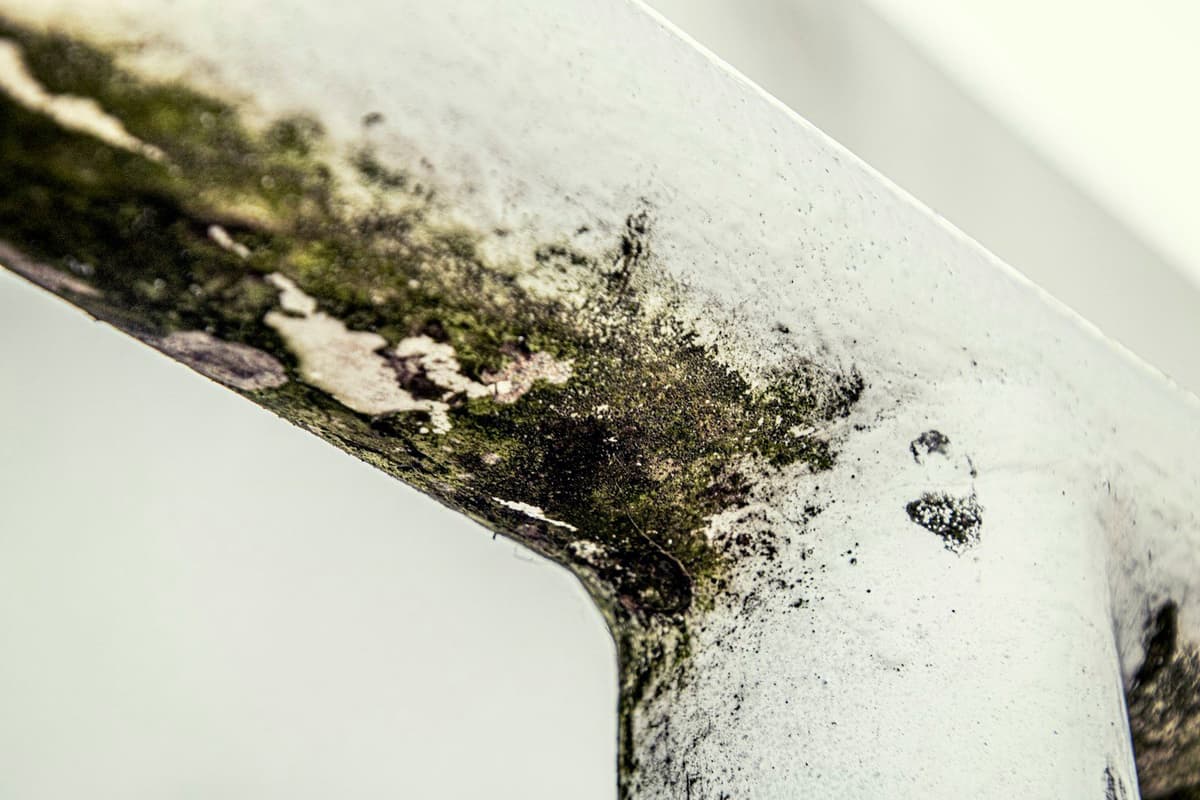
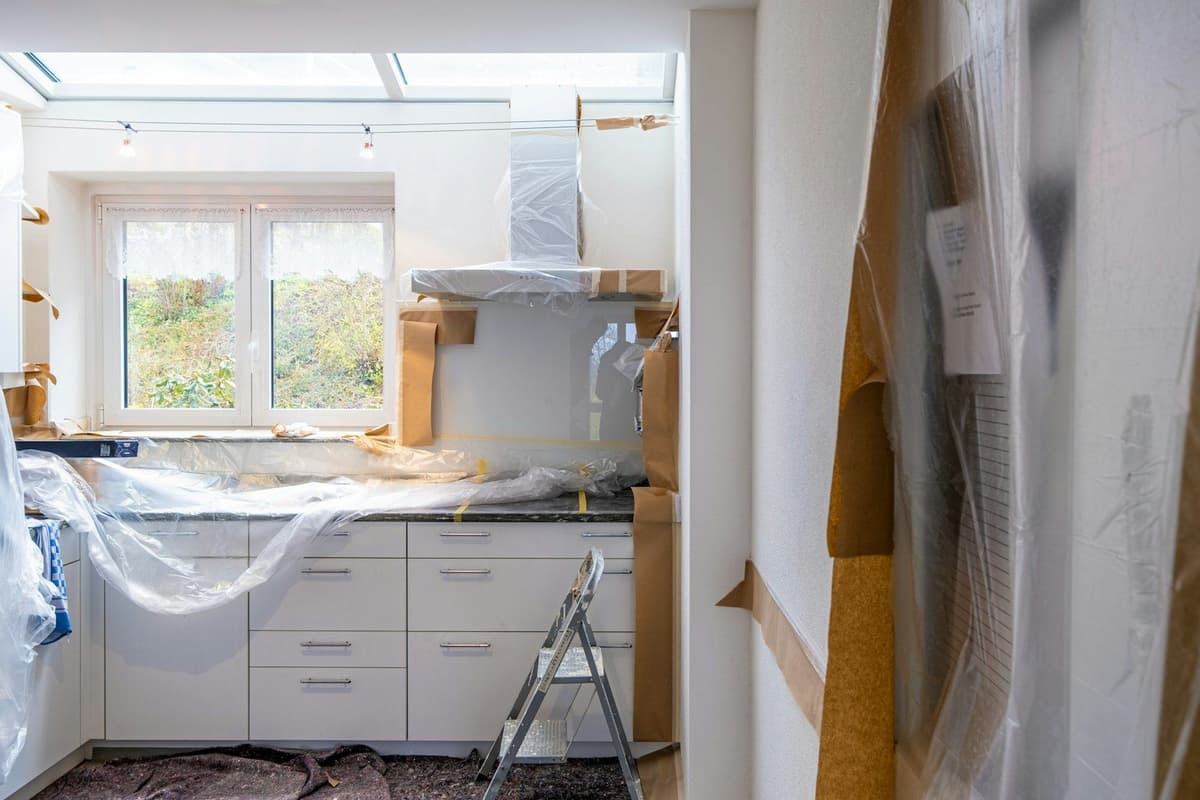
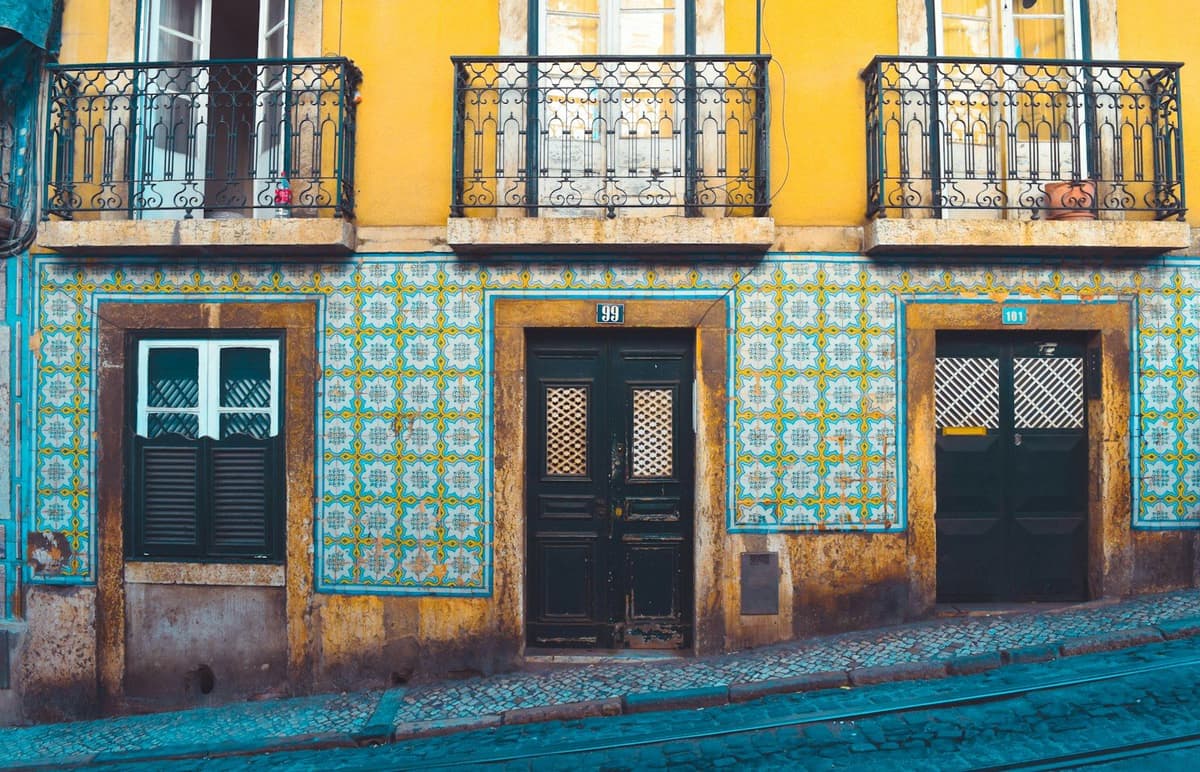
Humidity in walls is not merely a cosmetic issue. One of the most frequent problems in Portuguese homes is excess humidity, whether in the air or inside walls, leading to fungal growth, damp stains, mold development and musty odors1. When the problem persists, painting stops being a solution and becomes a waste, because the paint peels, stains or rots within weeks.
Many homeowners believe that a fresh coat of paint solves the problem, but paint conceals it temporarily, but humidity remains and returns with even greater force. The secret is to treat first, paint afterwards2. Before obtaining any painting quote, it is essential to understand whether the wall is truly ready for paint or if there are structural issues to resolve.
Three sources of humidity that block any painting
Not all humidity is the same. Correctly diagnosing the source determines whether the paint will last years or peel next winter. Building pathologies essentially fall into three categories: condensation humidity, leaks and rising damp3. Each requires a different approach, and in many cases, painting before resolving the cause only worsens the outcome.
Condensation: vapor that becomes water
Condensation humidity occurs when water vapor in the environment contacts colder surfaces. When relative humidity exceeds 75% - 80%, microorganisms proliferate and create mold stains. It is common in bathrooms, kitchens and poorly ventilated bedrooms, especially in winter.
This type of humidity reveals itself through black stains in corners, near windows or on ceilings. The wall feels cold to the touch, and musty odor sets in quickly. Painting over active condensation is pointless: the paint rots underneath and mold reappears.
Leaks: water entering from outside
The most common causes of humidity include leaks, pipe ruptures and condensation. Leaks occur when rainwater penetrates through cracks in exterior render, damaged roofing, poorly sealed flashing or windows without proper sealing.
Leak stains appear after rainy episodes, expand over time and leave brown or yellowish halos. If humidity is located on facade walls, you must first check for cracks in the exterior render and whether existing paint is still functioning. Painting over active leaks solves nothing: water continues to enter and paint lifts or peels.
Rising damp: humidity rising from the ground
Rising damp is a common problem in many homes in Portugal, especially in older houses or built on land with high soil moisture. Rising damp is a term used in construction to indicate capillary infiltration of water present in the soil into floors and walls.
This humidity concentrates at the base of walls, up to about one meter high, and advances slowly over the years. Render becomes spongy, paint forms blisters and white salt stains appear. If humidity is capillary rise, painting does not solve it. The base of the wall must be treated with technical waterproofing solutions.
What to do before requesting a painting quote
When active humidity exists, the painting quote should include wall preparation, not just paint application. Any serious professional makes this distinction, because the success of anti-humidity painting depends more than 70% on prior surface preparation. Ignoring this phase eliminates the performance of any premium paint.
On our platform, all quotes request photographs and videos of surfaces before closing any value, precisely to avoid surprises during the work. Assessment can be done through detailed images or a site visit; both work equally well as long as the professional can see the real condition of the wall.
Mandatory steps before painting
Before applying any paint, the wall must go through these phases:
- Identify and resolve the source of humidity - Seal external cracks, repair roofing, correct leaking pipes, or treat rising damp with specific products.
- Remove all degraded material - Scrape loose render, old paint and mold. Wash the wall with a disinfectant solution or diluted bleach to completely eliminate existing fungi and spores. Never paint directly over contaminated surfaces.
- Let the wall dry completely - This step is often overlooked. A damp wall does not accept paint. Drying time varies depending on season and ventilation, but can range from days to weeks.
- Apply appropriate primer - Primer sealers or fixatives consolidate the substrate and improve final paint adhesion.
- Paint with suitable products - Anti-humidity paints with fungicidal additives or paints with good vapor permeability, depending on diagnosis.
Signs that the wall is not yet ready
Even after treatment, the wall may not be ready for paint. Warning signs include:
- Cold and damp surface to the touch
- Persistent musty odor
- Stains that reappear days after cleaning
- Render that continues to be spongy or cracking
- Water droplets appearing on damp days
If any of these signs persist, it signals that the source of humidity has not been resolved, and painting will only delay the problem.
Painting quotes when there is humidity: what changes in price
When the wall has humidity, mold or leaks, the painting quote is no longer straightforward. The price per square meter becomes indicative, never definitive, because any value indicated per square meter is always preliminary. Two facades with the same area can be in completely different states: one may have only accumulated dirt, the other may have cracks, active humidity, degraded render or signs of mold4.
The final quote includes:
| Work phase | What it includes | Price impact |
|---|---|---|
| Diagnosis | Identify source of humidity (condensation, leak, rising damp) | May be free or paid, depending on complexity |
| Removal of degraded material | Scrape loose render, old paint, wash with disinfectant | Increases labor; varies with extent of damage |
| Structural repairs | Seal cracks, treat rising damp, waterproof | Significant additional costs; depends on technical solution |
| Drying and ventilation | Waiting time until wall is dry | May delay schedule; no direct cost |
| Primer and preparation | Fixatives, sealants, filler paste | Increases material cost |
| Final painting | Two coats of paint suitable for the problem | Anti-humidity paints cost more than standard paints |
On our platform, payment is made in two moments: 50% at the start to reserve the date and purchase materials, and 50% at the end after the work has been verified. This model protects the homeowner and ensures the professional does not proceed with painting while the wall is not in correct condition.
Practical examples of walls that do not accept paint
Apartment in Lisbon with recurring mold
An apartment in Alfama, facing north, with old windows without adequate ventilation. The owner painted the living room twice in three years, but mold always returned near the ceiling. Diagnosis revealed condensation from lack of ventilation and insufficient thermal insulation in the roof. The solution involved improving ventilation, applying anti-condensation paint and installing ventilation grilles. Only after these steps did the paint last.
House in Porto with leak on facade
A house in Matosinhos, a few meters from the sea, with persistent stains on a west - facing wall. After two failed painting attempts, a crack was found in the exterior render allowing rainwater to enter. The crack needed repair, two coats of waterproofing primer applied and only then painted with exterior acrylic paint. The initial quote doubled, but the problem was resolved.
Old house in Coimbra with rising damp
A ground floor house in the historic center, with visible humidity up to half a meter high on all ground floor walls. Paint constantly peeled and the musty smell was unbearable. Treatment included injecting waterproofing resin at the base of walls and applying hydrophobic mortar. Painting was only done six weeks later, when walls were completely dry.
How the platform helps prevent surprises
When the homeowner requests a quote on our platform, the process always includes sending photographs and videos of surfaces. This allows the professional to see the real condition of the wall before closing any value. There are no definitive quotes without this visual assessment.
All work details are recorded online, where the client, professional and platform can see the agreed scope in writing. This prevents misunderstandings and ensures both parties know exactly what is included: surface preparation, humidity treatment, number of coats, paint type, timelines.
Furthermore, our platform always verifies that the professional is properly registered as a self - employed person or has an incorporated company before presenting them as an option. This verification eliminates the need for the homeowner to request registration documentation themselves.
Frequently Asked Questions
No. Even the most advanced anti - humidity paints only work after the source of humidity has been resolved. If the wall continues to receive water from leaks, condensation or rising damp, the paint will peel, stain or rot. Anti - humidity paint serves to prevent or protect, never to resolve the cause.
It depends on the source of humidity, wall thickness, ventilation and season. A wall treated against condensation can dry in a few days with adequate ventilation. A wall affected by leaks or rising damp can take weeks, especially in winter. There is no fixed timeline: the wall is ready when it stops being cold, damp or releasing odor.
Not always. If the source of humidity is obvious (for example, a visible crack or condensation in a poorly ventilated bathroom), the professional can include treatment in the painting quote. If the source is unclear, it may be necessary to hire a separate technical diagnosis with specialized equipment before requesting painting quotes.
It depends on what was agreed. If the professional warned that the wall had active humidity and the homeowner decided to proceed anyway, responsibility is shared. If the professional guaranteed that preparation was sufficient and the paint peeled anyway, there is grounds for complaint. On our platform, the entire work scope is recorded in writing, which facilitates conflict resolution.
In cases of mild condensation, yes. Dehumidifiers help reduce relative air humidity and accelerate wall drying. But they do not resolve leaks or rising damp. If water continues to enter from outside or rise from the ground, the dehumidifier only masks the problem temporarily. The solution remains treating the source.

Ready to paint?
Get free quotes from verified local painters in minutes. No commitment.
Sources
External sources open in a new tab.
- Como tratar a humidade numa parede? | O Meu Pintoromeupintor.tintasrobbialac.pt
- Como pintar paredes com humidade (guia completo)💧- Loja de Tintas Onlinelojadetintasonline.pt
- Como Escolher a Melhor Tinta Anti-Humidade em Portugal (2026) - Loja de Tintas Onlinelojadetintasonline.pt
- Pintar fachada em Portugal: quando o clima ajuda ou complicapinturasportugal.pt