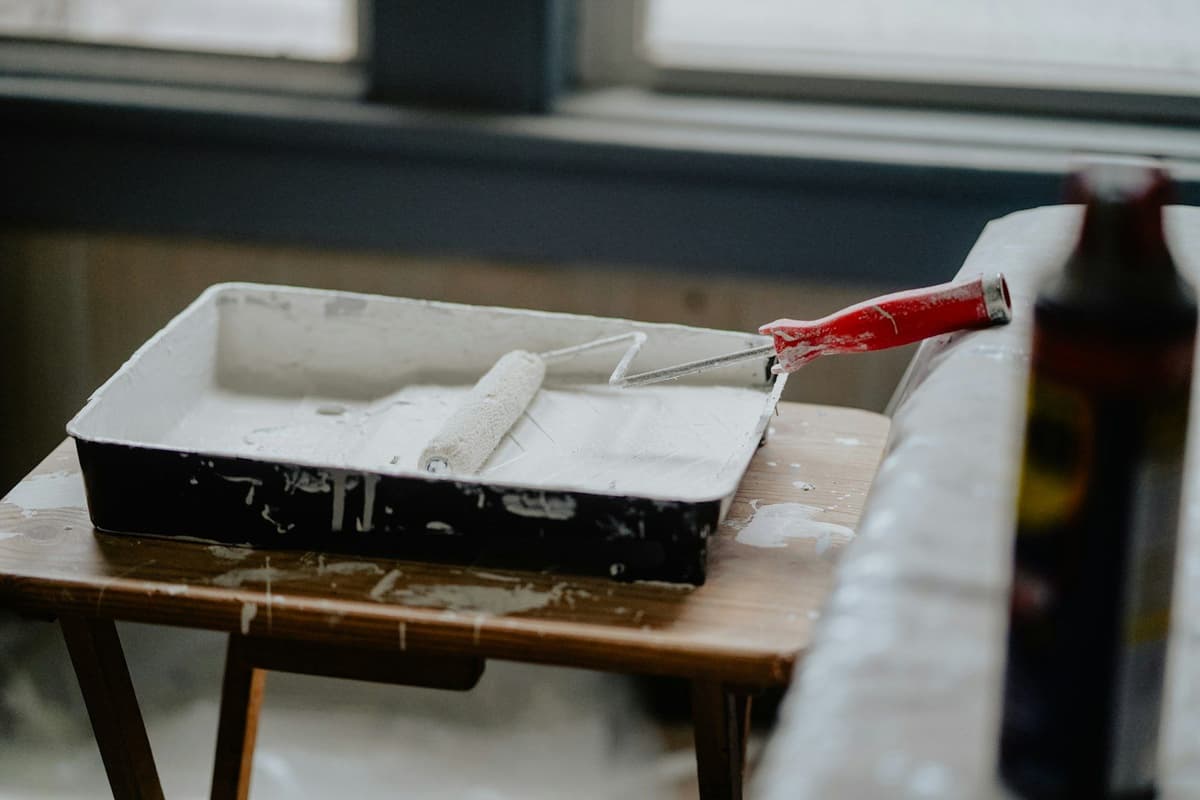
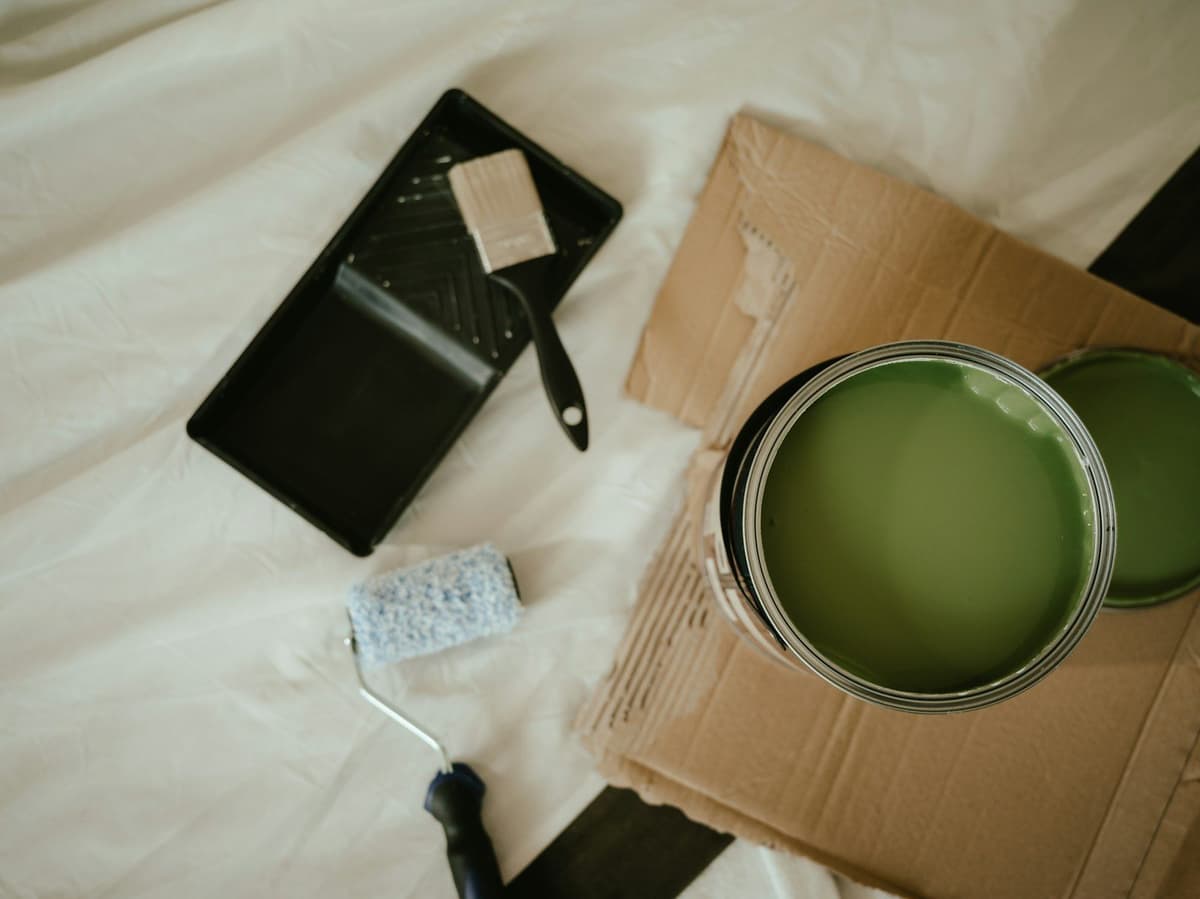
A facade painted in August, under direct sun, can start peeling in December. Another, painted in March with rain forecast for the following days, shows stains before summer. It is not the paint that failed, nor the workmanship. It is the timing.
Choosing when to paint the exterior is not a matter of schedule or professional availability. It is a technical decision that determines whether the paint will adhere, dry correctly and last for years, or whether it will fail in the first months. The difference between a paint that holds for years and one that starts peeling in the first heavy rain comes down to how climate was considered before, during and after application.1
Temperature and humidity: the two factors nobody measures but that determine everything
Exterior facade painting requires climatic conditions that allow the paint to dry in a controlled manner. When the temperature is too low, drying slows down and the paint does not adhere properly to the surface. When it is too high, the paint dries in minutes, before it has time to adhere, and forms cracks or bubbles.
It is not recommended to apply paint when the ambient temperature is below 5°C, and when the relative humidity is above 80%.2 The ideal window is between 10 and 30 degrees, with relative humidity below 75%. Outside these values, application may be technically possible, but the risk of later problems increases.
In Lisbon, the Algarve and the south of the country, the intense heat of July and August creates another problem: surfaces exposed to the sun heat up far beyond air temperature. Even if the thermometer reads 28 degrees, a wall facing south can be at 45 or 50 degrees. Applying paint over such a hot surface makes it dry instantly, preventing adhesion and creating an uneven finish that starts peeling a few months later.
In Porto, Braga and throughout the North, the challenge reverses. Portugal has summers that easily exceed 35°C and humid winters with frequent rain, with thermal variations that test materials year after year.3 High humidity in the winter months causes paint to take longer to dry, and if it rains before full curing, water penetrates the still-fresh layer and compromises adhesion.
The three-day window: why weather forecasts are part of the budget
A well-painted facade does not depend only on the day of application. It depends on what happens in the three to five days that follow. The paint needs time to cure, and during that period any rain, heavy dew or excessive humidity can spoil the work.
Before scheduling the painting, it is worth checking the forecast for the following week. Temperatures between 10 and 30 degrees, relative humidity below 80% and no rain expected in the three to five days following application. If the forecast is not favourable, postponing a week or two can mean the difference between a paint that lasts five years and one that starts peeling in the first winter.
Facade painting should be carried out in good weather; if rain is expected, work should not begin. Generally speaking, depending on the region of the country, this work is recommended between May and September. This window widens in regions with more stable climate, such as the Algarve, and narrows in mountainous areas or in the interior North, where thermal swings are more pronounced.
When requesting quotes for facade painting, remember that any value indicated per square metre is always preliminary. Two surfaces with the same area can be in very different conditions (cracks, humidity, loose paint), and the final price can only be confirmed after assessing the actual condition of the walls. Our platform always asks for photographs and videos of surfaces before closing any quote, precisely to avoid surprises during the work.
Salt, wind and sun exposure: why the coast requires a different approach
Coastal areas, from Cascais to Matosinhos, from the Costa Vicentina to the Algarve, face conditions that accelerate the wear of any exterior paint. Salt carried by the wind deposits on painted surfaces, retains moisture, promotes cracks and degrades pigments faster than it would inland.
In these regions, it is not enough to choose the right time. You need to choose the right paint and plan for regular maintenance. Specific formulations for facades in saline environments include reinforced anti-UV additives and greater moisture resistance. Washing the facade with fresh water once a year helps remove salt deposits before they penetrate the paint layer and accelerate aging.
Facades facing south and west receive intense solar radiation throughout almost the entire year. The combination of direct sun, sea wind and temperature variations creates an aggressive environment for any coating. Choosing light colours helps reflect part of the radiation and reduces surface heating, extending the life of the paint.
Three questions before booking: the checklist that saves months of lost work
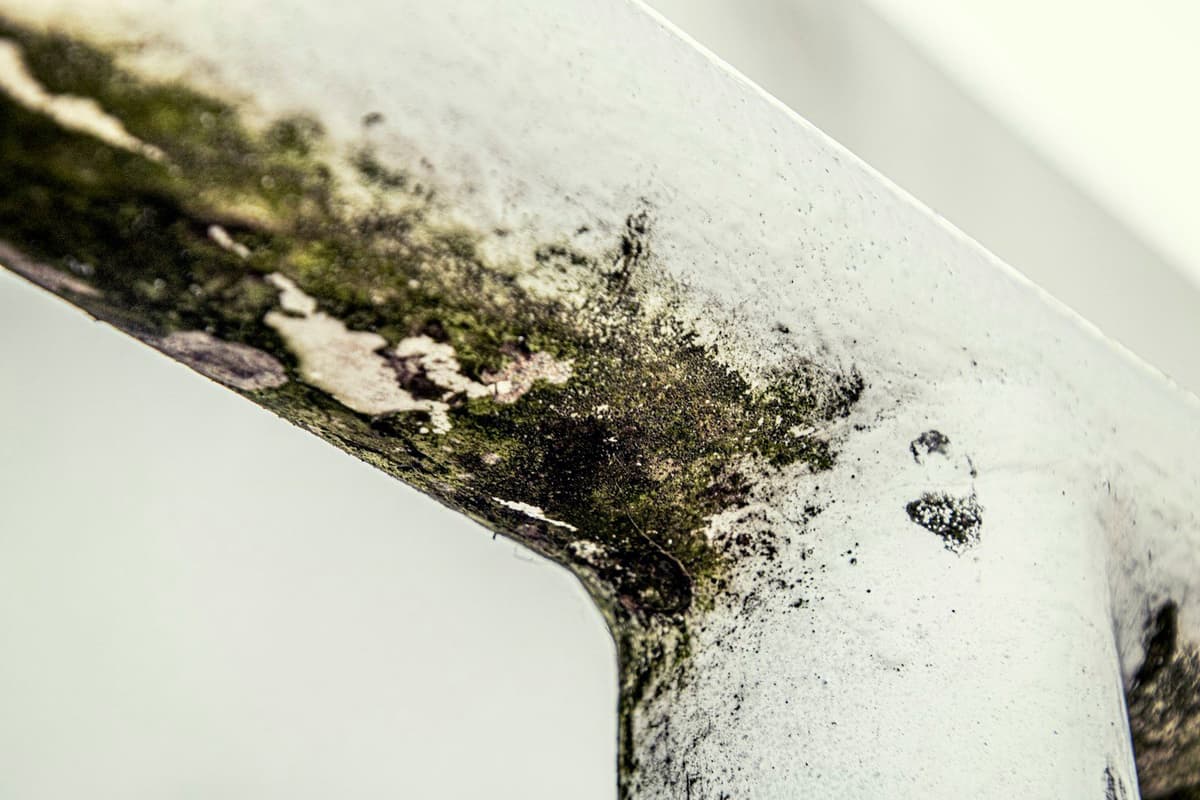
Before proceeding with booking exterior painting, it is worth answering three simple questions. Has the facade been cleaned or inspected in the last 12 months? If not, it should be done before painting, because accumulated dirt, moss or mould prevent the new paint from adhering.
Second: are there visible signs of humidity, such as dark stains, efflorescence or previous paint peeling? If so, the problem must be solved before painting. Otherwise, humidity will reappear beneath the new layer and spoil the work in a few months.
Third: does the forecast for the next seven days allow you to work safely? That is, temperatures within the ideal window, controlled humidity and no rain in the days following application. If the answer is no, it is better to postpone than risk a result that does not last.
Our platform confirms that the professional is duly registered as self-employed or has an incorporated company before presenting them as an option. All job details are recorded online and visible to the client, the professional and the platform, ensuring that the agreed scope is clear from the start. Payment works in two parts: 50% at the start to reserve the date and purchase materials, and 50% at the end after work verification.
Ready to paint?
Get free quotes from verified local painters in minutes. No commitment.
Sources
External sources open in a new tab.
- Pintar fachada em Portugal: quando o clima ajuda ou complicapinturasportugal.pt
- Pintar Superfícies no Exterior - Tudo o que precisa saber - Tintas e Pinturatintasepintura.pt
- Revestimento exterior para fachadas resistentesrevigres.pt