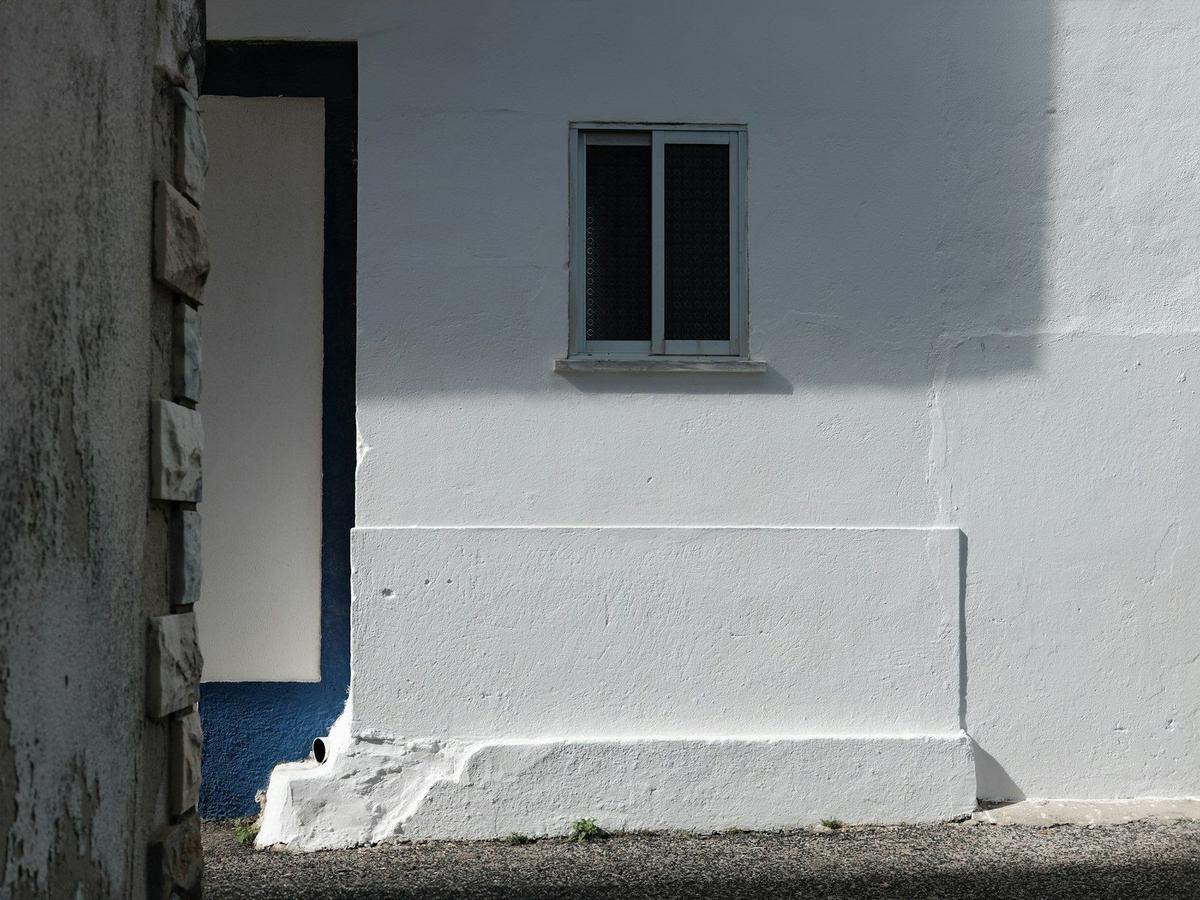
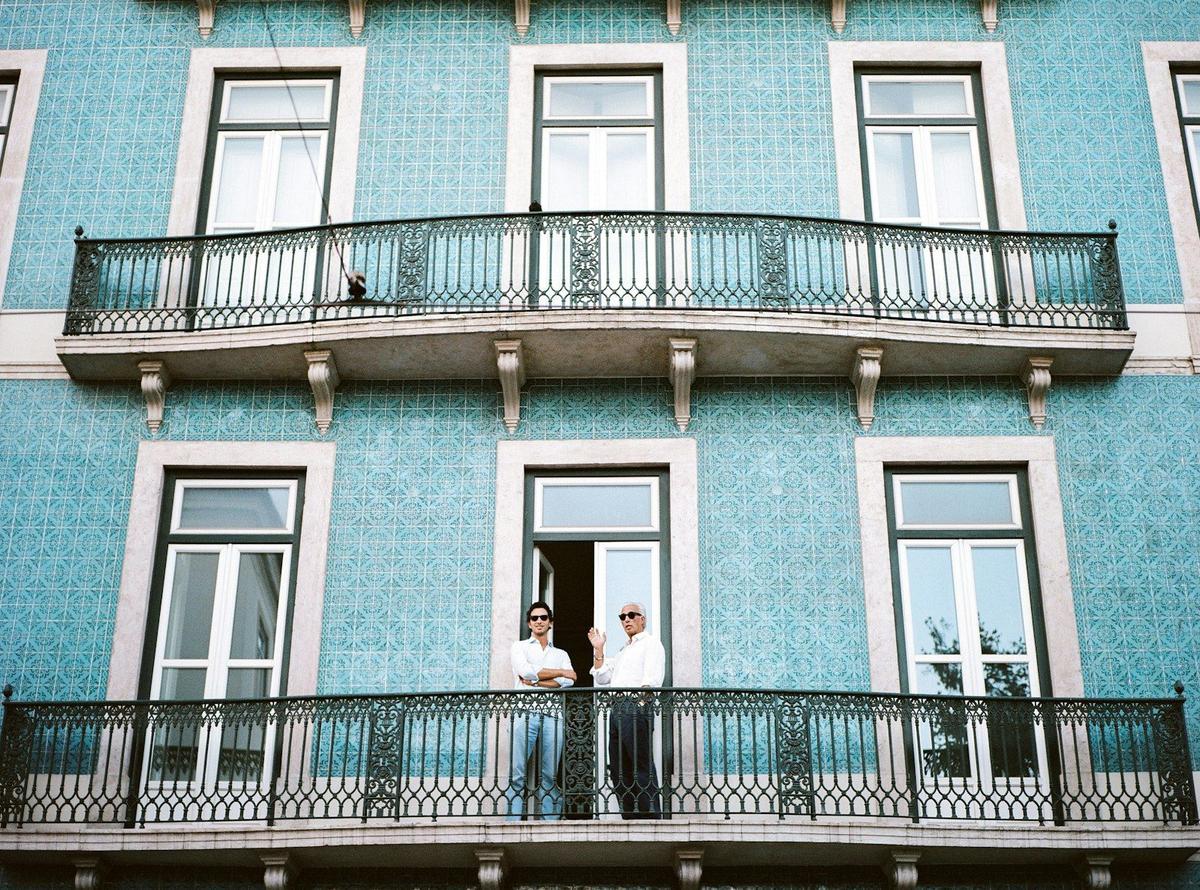
When discussing the best time to paint a facade, the conversation often centres on region: humid north, hot south, mild Algarve. But there is one factor that changes everything on the same street, sometimes on the same house, and rarely enters the discussion: the orientation of each wall. A south-facing facade and a north-facing facade on the same building may need completely different painting schedules, even when in the same city and subject to the same regional climate.
Why orientation matters as much as region
What the south-facing facade encounters
In Portugal, the sun travels through the southern sky, making that facade the most exposed to direct solar radiation for almost the entire year. This means faster paint drying, but also greater risk of applying the product to a surface that is too warm, which compromises adhesion. On intense summer days, especially in Alentejo or inland areas, the south-facing wall can be visibly warmer to the touch than the north-facing wall, even with identical air temperatures.
What the north-facing facade encounters
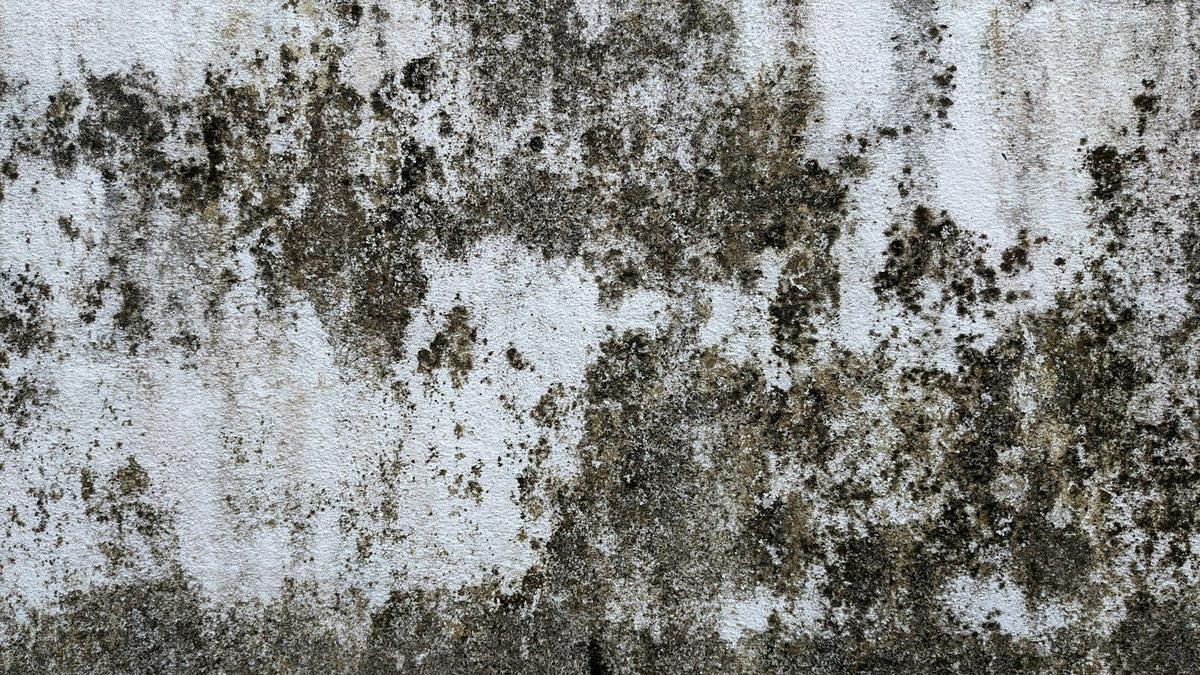
The north-facing facade receives weak or virtually no direct sunlight, keeping it cooler and more humid for much of the year. This residual moisture takes longer to dissipate, especially after winter, and can delay the start of work by weeks compared to the south-facing facade of the same house. It is also on this orientation that dark stains and moss appear most frequently, signs worth assessing before deciding to paint.
East-facing, west-facing and the role of wind
East-facing facades catch the gentle morning sun, while west-facing facades receive stronger late afternoon light, with drier air. In Portugal, dominant winds generally blow from the north or northwest, making facades facing that direction more exposed to lateral rain and, in coastal areas, to salt spray. This combination of wind and salt accelerates paint wear on facades most exposed to the Atlantic, from Peniche to the Alentejo coast and the Algarve.
Reading your building's own microclimate before booking a date
Beyond orientation, there are other factors that change the ideal painting window from house to house, even within the same locality:
- Altitude and proximity to mountain ranges: houses near mountainous areas face colder nights and greater temperature swings, which narrows the safe temperature range for applying paint.
- Distance from the sea: the closer to the coast, the greater the need to wash the facade before painting to remove accumulated salt.
- Shade from neighbouring buildings or trees: a theoretically south-facing facade but shaded by a tall building can dry almost as slowly as a north-facing one.
- History of water ingress: walls with recurring damp patches require addressing the cause before any painting schedule makes sense.
The autumn depressions that hit the Portuguese coast almost every year illustrate this difference in exposure well. A recent depression brought gusts of up to 60 km/h on the central coast and rainfall totals exceeding 100 mm in the north and centre, while inland and southern areas felt much lighter effects. On those days, a west-facing facade in a coastal village can be drenched while the south-facing facade of a house in inland Alentejo remains perfectly dry and ready for paint.
When each orientation has its ideal window
The table below summarizes, as an indication, how facade orientation typically alters the best time to paint, considering a climate that is already favourable (spring or early autumn):
| Orientation | Main challenge | Normally safer window |
|---|---|---|
| South | Direct sun, warm surface | Early morning or late afternoon, outside peak heat hours |
| North | Residual moisture, slow drying | Dry consecutive days, avoiding humidity peaks |
| East | Morning sun, afternoon shade | Any time of day with good forecast |
| West | Strong sun at end of day | Mornings, before afternoon heat sets in |
These windows serve as a starting point, but the final decision always depends on the actual forecast for the following days and the concrete state of each wall.
It is also worth remembering that poorly chosen paint for the facade's exposure reduces the durability of the work, regardless of the time chosen. Facades highly exposed to sun or salt spray benefit from more resistant formulations, a topic that has already been explored in the article on how to choose facade paint depending on the climate.
What to do before booking the painting date
For those planning exterior painting, it makes sense to follow a brief checklist before finalizing the schedule:
- Observe each facade of the building separately, not the building as a whole, and identify which orientation has the most urgency or restrictions.
- Check the weather forecast for the days following application, not just for the day work starts.
- Confirm whether there are signs of active moisture, accumulated salt or cracks on each facade before deciding the order of work.
- Ask the professional to assess the real state of the surfaces, either through photos and videos or through a site visit, as both methods work equally for preparing a quote.
On our platform, this type of photo and video assessment is always requested before closing any quote, precisely to avoid surprises mid-project when you discover one facade is in worse condition than another. A quote calculated per m² is always indicative at this stage, because two facades with the same area can hide very different problems, and the final value is only confirmed after assessing the actual conditions of each wall. Those seeking broader guidance on exterior painting services1 can also consult the general calendar by region, complementing this reading on solar orientation.
Frequently Asked Questions
No. Although it dries faster by receiving more sun, the south-facing facade suffers more from extreme summer heat, which can make paint dry too quickly and lose adhesion. The ideal is to avoid peak heat hours and days of very high temperature, preferring cooler mornings or late afternoons.
Because it receives little or no direct sunlight, keeping it cooler and more humid for longer, especially after winter. The surface needs more consecutive dry days to release this moisture before the paint can adhere properly.
Technically it is possible, but it is not always the most efficient option, since each orientation can be ready at different times. Many professionals prefer to stagger the work, starting with the driest facade and leaving the most humid for last.
On our platform, all job details are recorded online, visible to the client, the professional and the platform. This prevents misunderstandings about what was exactly agreed for each facade or phase of the work.
Yes, it is an important precaution before hiring any exterior painting service. On our platform this verification is already done beforehand, confirming that the professional is duly registered as self-employed or that the company is properly incorporated before appearing as an option to the client.
Ready to paint?
Get free quotes from verified local painters in minutes. No commitment.
Sources
External sources open in a new tab.
- Pintura de Fachadaspinturasportugal.pt