Choosing an eco-friendly paint in Portugal is not difficult. The hard part is knowing whether the product in hand truly delivers on what the packaging promises. Between labels, certifications, and brands with green ranges, the market has grown, but clarity has not always kept pace.
The issue is not about replacing conventional paint with any alternative that has the word "eco-friendly" printed on it. It is about understanding what makes a paint genuinely less harmful to health and the environment, and where to find these options across Portuguese territory in a practical way.
What defines a paint as eco-friendly
An eco-friendly paint stands out through its composition and the impact it has during and after application. European regulation and environmental awareness have driven demand for paints with reduced emissions of Volatile Organic Compounds1, but the concept goes beyond VOC content.
Certifications that matter
The EU Ecolabel is an independent certification that does not depend on the brand, but on objective criteria2. In Portugal, it is common to find the Ecolabel on paints for house walls, and it is one of the most reliable seals available in the European market.
Other recognised certifications include the Blue Angel (German) and Indoor Air Comfort Gold, which assess emissions and indoor air quality. Not all eco-friendly paints are certified, but when they are, it simplifies the choice.
VOC content: numbers that matter
There are some brands in the Portuguese market that provide products with values equal to or less than 1 g/L VOC3. European legislation allows up to 30 g/L for water-based interior paints, but truly eco-friendly products fall well below this limit.
A paint with less than 5 g/L can be considered "zero VOC", while values between 5 and 50 g/L fall into the low VOC category. The important thing is to look for the exact number on the technical datasheet, not just the generic expression on the label.
| Category | VOC content (g/L) | Practical indication |
|---|---|---|
| Zero VOC | ≤ 5 | Ideal for bedrooms, spaces occupied during painting |
| Very low VOC | 5 - 30 | Good general choice for interior |
| Low VOC | 30 - 50 | Acceptable, but check ventilation |
| Conventional | > 50 | Avoid in closed or poorly ventilated spaces |
Where to find eco-friendly paints in Portugal
These products can be found for sale in both brand stores and paint and building materials shops. Supply has grown in recent years, in both Lisbon and Porto, Braga, Coimbra and other cities.
National and international brands available
Several brands with a presence in Portugal have developed certified eco-friendly ranges. Some are Portuguese, others European with local distribution. The key is to check whether the specific product is certified, because not every product line from a brand is necessarily eco-friendly.
Specialised shops in natural materials, such as Casa Natural in Braga, offer mineral and biological paints. Large building materials retailers have also started to include certified options on their shelves.
Natural paints vs. eco-friendly paints
There is a practical difference. Natural paints are made exclusively from components such as vegetable oils, resins, beeswax, and mineral pigments. Eco-friendly paints may include some synthetic components, but with low environmental impact and reduced VOC content.
Both are valid, but they have different applications. Natural paints tend to be more breathable and suitable for walls with moisture problems. Water-based eco-friendly paints offer greater variety in finishes and colours while maintaining low emissions.
What to check before buying
Buying an eco-friendly paint is not just about reading the word "eco-friendly" on the tin. There are practical steps that help ensure the product delivers on its promise.
Read the label and technical datasheet
The label must clearly indicate the VOC content in grams per litre. If this number does not appear, ask for the technical datasheet. The paint must guarantee good coverage, resistance to washing, and durability; in other words, it is not enough to be eco-friendly, it must also be functional.
Also look for the list of certifications. A product may have low VOC but contain other problematic substances. A certification such as EU Ecolabel ensures that the product has been evaluated over its entire life cycle.
Ask about performance
A well-formulated eco-friendly paint does not compromise finish quality. Ask about:
- Number of coats needed for full coverage
- Drying time between coats
- Resistance to washing (important in kitchens, hallways, bathrooms)
- Availability of colours and finishes (matt, satin, silk)
If the paint requires three or four coats to cover, the final cost and environmental impact may outweigh the initial advantage.
Check origin and distribution
Products manufactured in Europe tend to follow stricter regulation. Check where the paint is produced and whether the brand has representation in Portugal, which helps in case of doubts or complaints.
When it is worth choosing eco-friendly paint
Not all situations require eco-friendly paint, but there are cases where the choice makes a clear difference.
Painting in occupied spaces
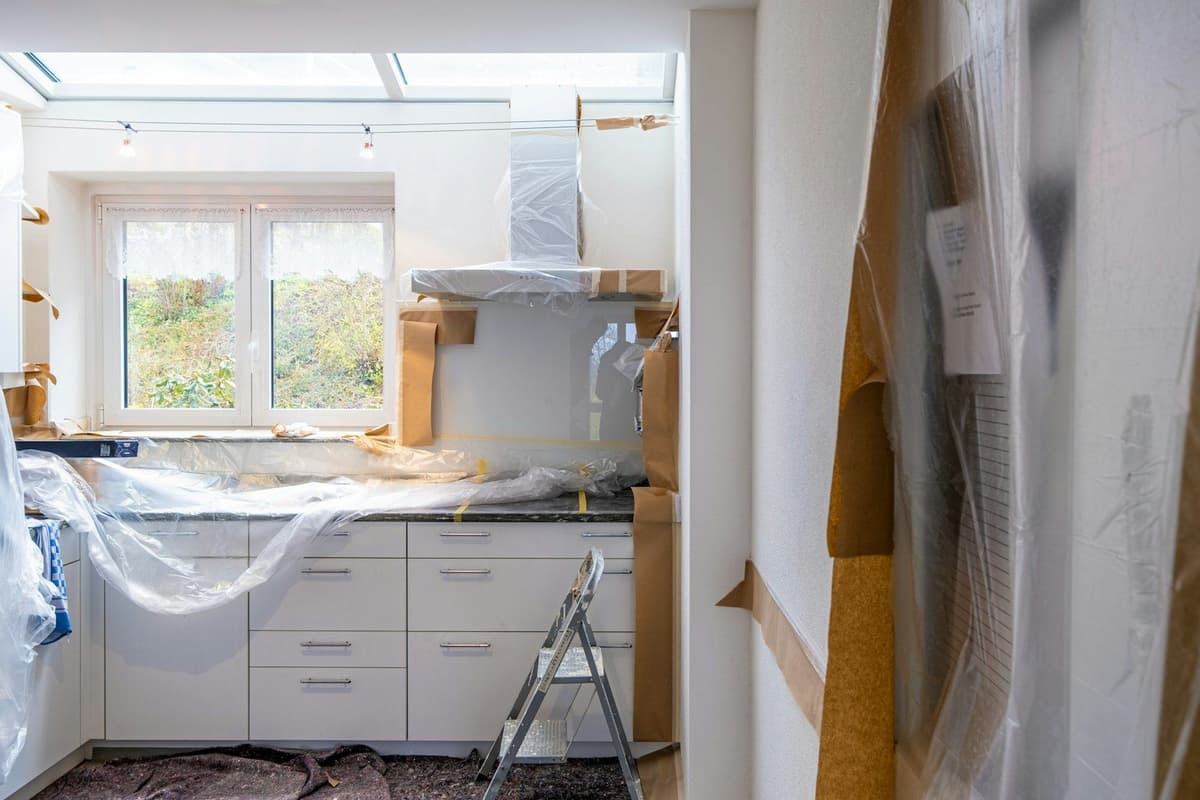
When the house or apartment is inhabited during the work, a low-VOC paint reduces discomfort. Less smell, less respiratory irritation, less need to evacuate the space for days.
In Lisbon, Porto or Braga, where many apartments are small and do not allow for extended vacancy, this is a practical advantage.
Children's bedrooms and sensitive spaces
Baby rooms, children's rooms, or spaces used by people with allergies or chemical sensitivity benefit from paints with minimal emissions. Indoor air remains cleaner, especially in the first months after painting.
Homes with limited natural ventilation
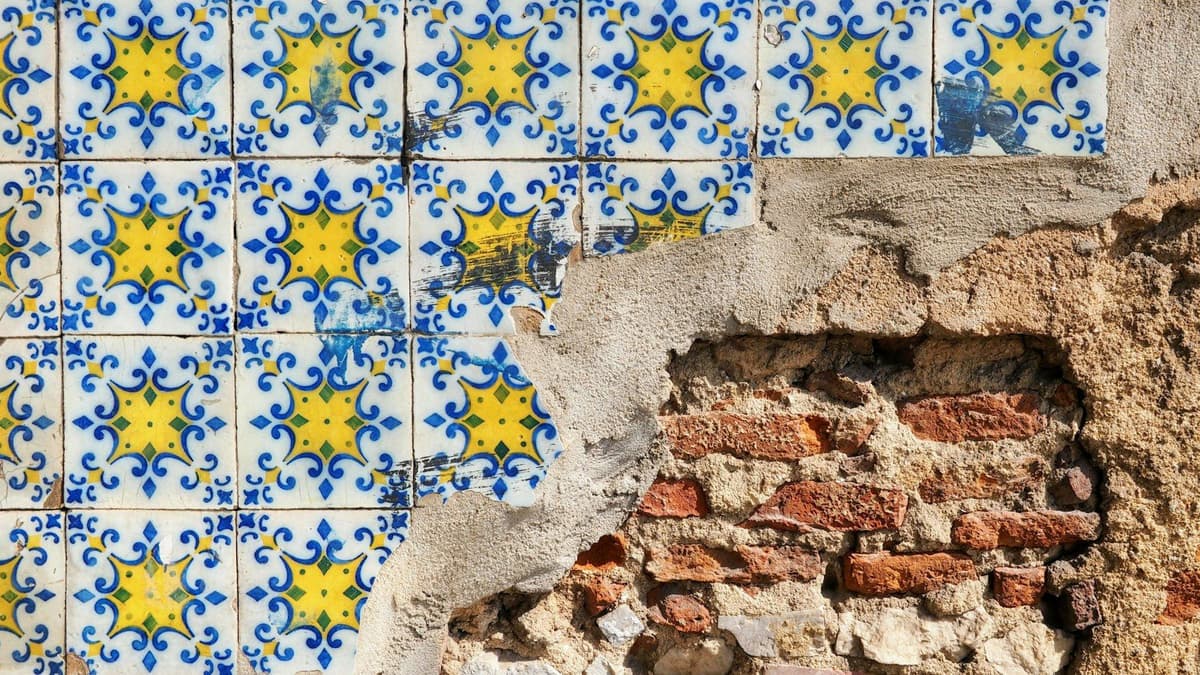
Old buildings in city centres such as Coimbra, Aveiro or Setúbal often have small windows and limited ventilation. In such cases, eco-friendly paints help prevent accumulation of harmful vapours.
Sustainable renovation projects
For those seeking environmental certification of a building (LEED, BREEAM, WELL), the use of certified eco-friendly paints can contribute to the score. It also strengthens market value in rental or sales segments that value sustainability.
Common mistakes when choosing eco-friendly paint
Some mistakes are repeated and can lead to choices that do not deliver the expected benefit.
Trusting only the word "eco-friendly" without checking numbers. Many paints use green marketing without certification or concrete data. Always look for VOC content and a list of certifications.
Assuming eco-friendly paint is always more expensive. The price per tin may be slightly higher, but if coverage is better and durability is greater, the cost per square metre may be equivalent or lower.
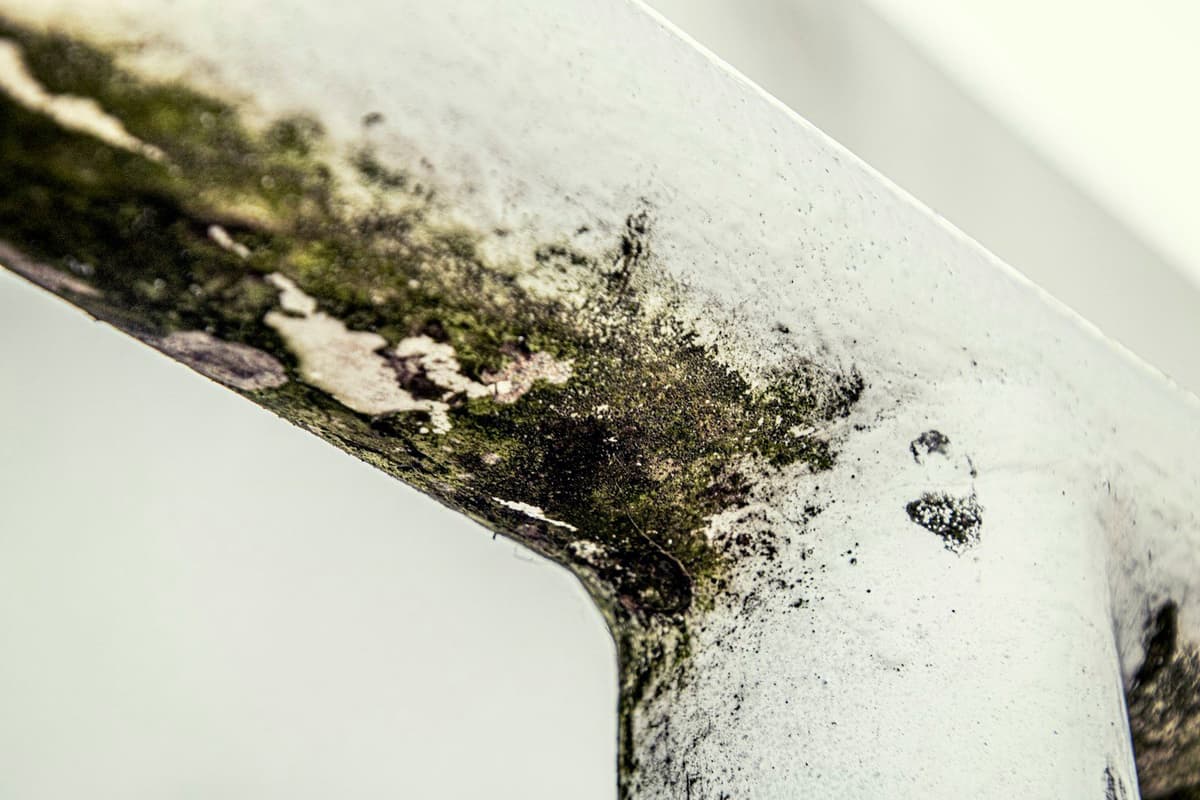
Forgetting surface preparation. An eco-friendly paint applied to a poorly prepared wall does not solve mould, moisture, or flaking problems. Surface preparation4 remains determining, regardless of paint type.
Mixing different paints. Adding conventional paint to an eco-friendly paint to adjust colour or thickness alters the composition and may increase emissions. Always use compatible products from the same range.
How to request a quote with eco-friendly paint
When requesting painting quotes and you want to use eco-friendly paint, it is worth being clear from the start. Indicating in the request that you prefer certified products or low-VOC options helps the professional include this specification in the calculation.
Our platform5 always requests photos and videos of surfaces before finalising any quote, which allows the painter to assess the actual condition of the walls and recommend the most suitable paint type, including eco-friendly options.
If the quote includes eco-friendly paint, verify:
- Specific brand and model of paint proposed
- Declared VOC content
- Certifications (if applicable)
- Number of coats planned
- Whether the price includes paint or just labour
Transparency at this stage prevents surprises and ensures the final result matches expectations, both in quality and environmental impact.
Frequently Asked Questions
Not necessarily. Many water-based eco-friendly paints dry as quickly as conventional ones, some even faster because the formulation is cleaner. Drying time depends more on the humidity and ventilation of the space than on whether the paint is eco-friendly.
Yes, provided the surface is well prepared. If the old paint is firm, clean, and not overly glossy, eco-friendly paint adheres without problem. If there is flaking or gloss, sanding and applying primer may be necessary, just as it would be with any paint.
It depends on the product. Some eco-friendly paints have moisture and washing resistance equivalent to conventional ones, others are more suitable for dry spaces. Check the technical datasheet and choose products with washing resistance class 1 or 2 for wet areas or high-traffic zones.
There are eco-friendly paints formulated for exterior use, including mineral options (silicate, lime) that are highly breathable and suitable for old facades. In <citation href="https://pinturasportugal.pt/pt/blog/epoca-certa-pintar-exterior-clima-regiao-portugal" title="Época certa para pintar exterior: como o clima de cada região de Portugal muda a janela ideal">climates such as those in the Algarve, Minho or Lisbon</citation>, the choice should take into account solar exposure, humidity and type of surface, not just whether it is eco-friendly.
Certifications such as EU Ecolabel, Blue Angel, Nordic Swan and Indoor Air Comfort are independent and follow rigorous criteria. If a brand invents its own seal with no reference to an external certification body, be suspicious. Always look for internationally recognised certifications and check whether the certificate number is visible on the packaging or technical datasheet.

Ready to paint?
Get free quotes from verified local painters in minutes. No commitment.
Sources
External sources open in a new tab.
- Melhores Tintas para Paredes Interiores em Portugal 2026 - Loja de Tintas Onlinelojadetintasonline.pt
- Tintas Ecológicas: O que é o EU Ecolabel e porque é importante.tintasepinturas.pt
- Tintas Naturais e Ecológicas - Leve a natureza para dentro da sua casa - Tintas e Pinturatintasepintura.pt
- Preparar paredes antes de pintar: o que muda o resultadopinturasportugal.pt
- Pintura no Porto começa por conhecer a casapinturasportugal.pt