The idea that summer is always the best time to paint the exterior of a house is so deeply rooted in Portugal that many homeowners do not even consider other seasons. However, winter 2025/2026 recorded precipitation values more than 2 times the normal value1 in continental Portugal, which makes it even more important to know when to choose the right moment for work. Autumn, when well planned, can offer technical conditions superior to peak summer, especially in regions where extreme heat and overly rapid drying create more problems than they solve.
Why summer is not always the best choice
The belief that summer is ideal for exterior painting rests on simple logic: long days, heat and absence of rain. But this same combination brings challenges that many homeowners only discover when the paint starts to show defects in the first few months. High temperatures can cause paint to dry too quickly, making uniform application difficult.2 When the surface temperature exceeds 30 degrees, the outer layer of paint forms a film before the interior has time to set correctly, resulting in blisters, stains and poor adhesion.
In the Algarve and on the south coast, there is another factor that complicates painting in full summer: direct sun exposure and salt-laden sea wind. South and west-facing facades receive intense radiation for hours on end, and paint applied under these conditions can peel or lose pigmentation more quickly than expected. Autumn offers moderate temperatures and cooler days, which is ideal for this task.3
When autumn works and when it stops working
Autumn in Braga is a transitional season. Temperatures begin to drop and humidity increases progressively, especially as winter approaches. This description applies to much of the North and Centre of the country, and defines the main challenge of painting in autumn: knowing when to start and, above all, when to stop.
Between late September and mid-October, climate conditions are still favourable in much of Portugal. The temperature of the air and surfaces allows adequate drying, relative humidity remains under control, and the weather forecast window is still relatively reliable. But as November approaches, the risk of precipitation increases, days shorten, and moisture settling in the walls becomes a real problem. At that point, postponing painting until the following spring is usually the most sensible decision.
In the south and interior of Alentejo, autumn extends with milder temperatures and lower risk of heavy rain until later. In those regions, October and even part of November can still be viable, as long as the seven-day forecast shows stability. The technical criterion is always the same: temperatures between 10 and 30 degrees, relative humidity below 80%, and no rain in the three to five days following application.
What changes when you paint in an intermediate season
One of the practical advantages of autumn is the lower incidence of insects and pollen, two factors that complicate exterior painting work in late spring and summer. Summer is often accompanied by a proliferation of insects and pollen that can hinder the painting process and affect the final finish. Insects can land on wet paint and leave unwanted marks, while pollen can stick to the freshly painted surface, ruining its appearance. During autumn, these nuisances decrease considerably, facilitating the work and ensuring a smooth, spot-free surface.
Another point in favour of autumn is the greater availability of professionals. Between May and August, demand for exterior painting services spikes, prices tend to rise and booking deadlines lengthen. In autumn, pressure on painters' schedules decreases, which can facilitate scheduling and allow greater flexibility should dates need to be adjusted due to weather.
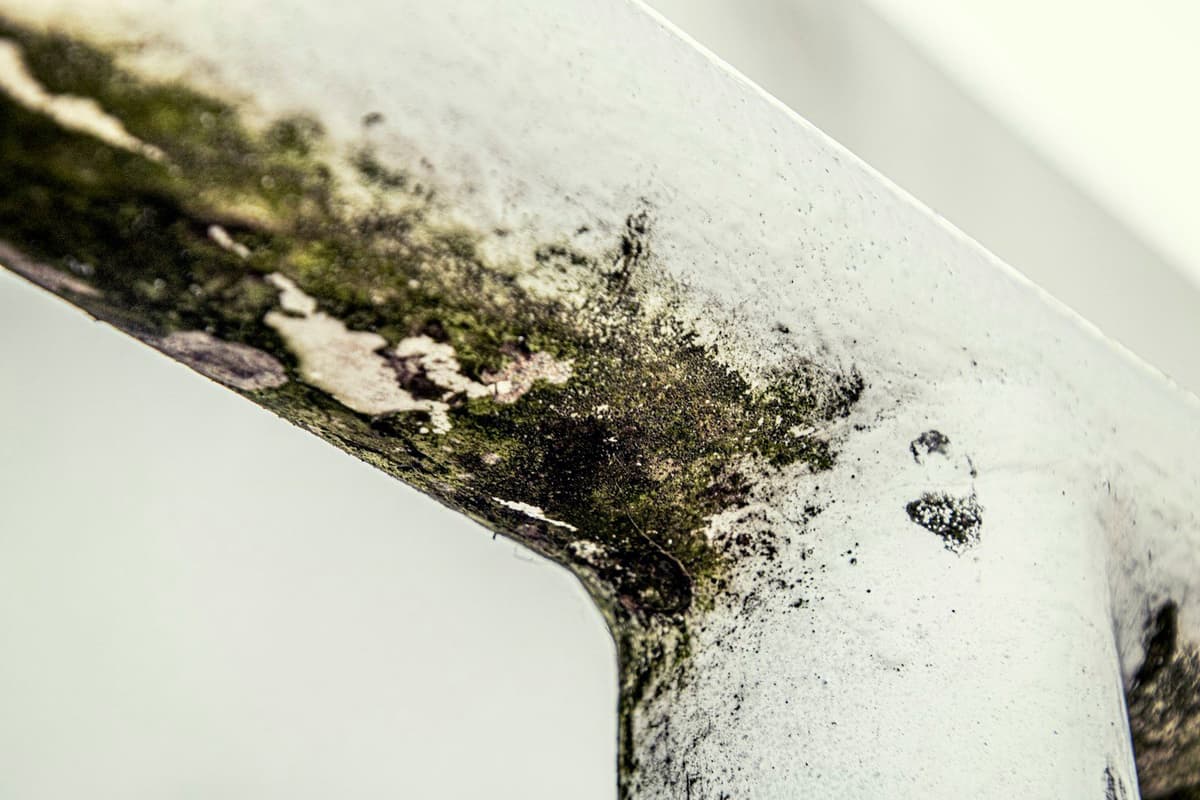
But these advantages only materialise when work is well planned. Proceeding with autumn without taking into account the real condition of the surfaces, without checking the medium-term weather forecast, or without ensuring that the facade is dry and free of settled moisture, turns a good climate window into a risky decision. If there are signs of moisture (dark stains, efflorescence, previous paint peeling), the problem must be resolved before painting, whatever the season.
What to do when the weather changes halfway through the work
One of the particularities of painting in autumn in Portugal is that the weather can change with little notice, especially in the North and in climate transition zones like Coimbra, Leiria or Viseu. An unexpected rain front in the middle of an exterior painting job can compromise days of effort, especially if the paint has not yet fully cured.
When this happens, the solution is to interrupt the work, protect the already painted surfaces and wait for a new window of dry weather. There is no point trying to speed up drying with heaters or other improvised solutions, because paint curing depends on stable environmental conditions. So, when planning exterior painting in autumn, it is always wise to build some margin into the calendar for unforeseen events.
On our platform, all work details are recorded online and visible to the client, the professional and the platform, which facilitates calendar adjustments when climate forces pauses or rescheduling. This transparency helps avoid misunderstandings and allows both parties to make informed decisions when weather conditions change.
How to know if it is worth proceeding now or waiting for spring
The decision to paint in autumn or postpone until spring depends on three main factors: the urgency of the work, the region where the property is located and the weather forecast for the next two to three weeks. If the facade shows advanced degradation, leaks or loss of protection that could worsen during winter, bringing forward painting to early autumn may be the more prudent choice.
On the other hand, if the work can wait and the region has a history of heavy rainfall in October and November, postponing until April or May reduces the risk of interruptions and improves the predictability of the final result. In either case, the decision should be made on the basis of technical information, not rush or calendar convenience.
Whenever our platform presents exterior painting quotes, we ask for photos and videos of the surfaces before finalising any proposal, precisely to avoid surprises midway through the work. Two facades of the same area can be in completely different states, and that difference only becomes clear when you see the space, whether through detailed images or a site visit. Both forms of assessment work in the same way and allow quotes adjusted to reality.
Autumn in Portugal can be an excellent window for exterior painting, but only when you respect the boundary between favourable conditions and the start of the wet season. Knowing when to stop is just as important as knowing when to start.
Ready to paint?
Get free quotes from verified local painters in minutes. No commitment.
Sources
External sources open in a new tab.